
Introduction
Depression is one of the most common mental health conditions in the world, affecting millions of people each year. Despite the widespread use of medications and psychotherapy, many individuals continue to experience debilitating symptoms, even after undergoing multiple treatment options. For those who have found little to no relief from conventional treatments, Transcranial Magnetic Stimulation (TMS) presents a groundbreaking solution. This non-invasive procedure is changing the way mental health professionals approach depression. In this blog, we’ll explore what TMS is, how it works, and why it’s becoming a go-to treatment for patients with severe or treatment-resistant depression.
What is TMS?
Transcranial Magnetic Stimulation (TMS) is a non-invasive procedure that uses magnetic fields to stimulate specific areas of the brain involved in mood regulation. Developed in the late 1980s, TMS was initially used for research purposes but has since become FDA-approved for the treatment of major depressive disorder (MDD), particularly for individuals who have not responded well to antidepressants or other therapies.
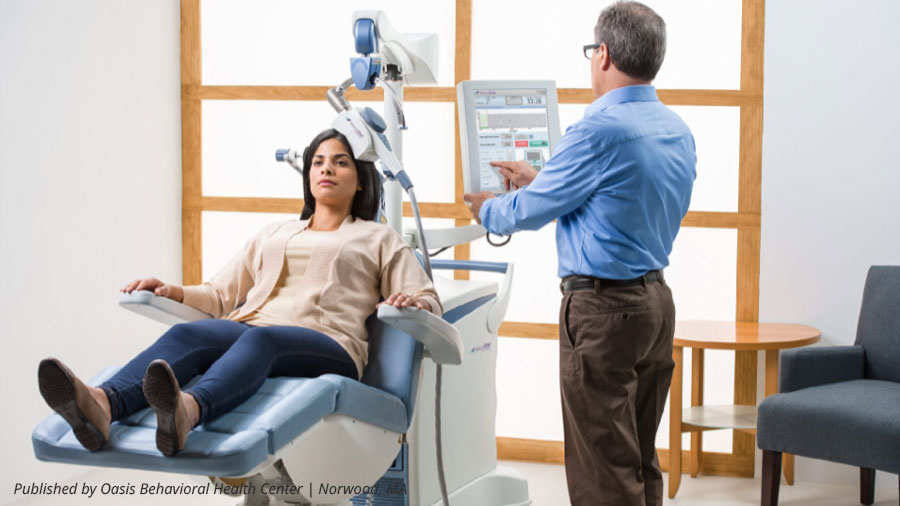
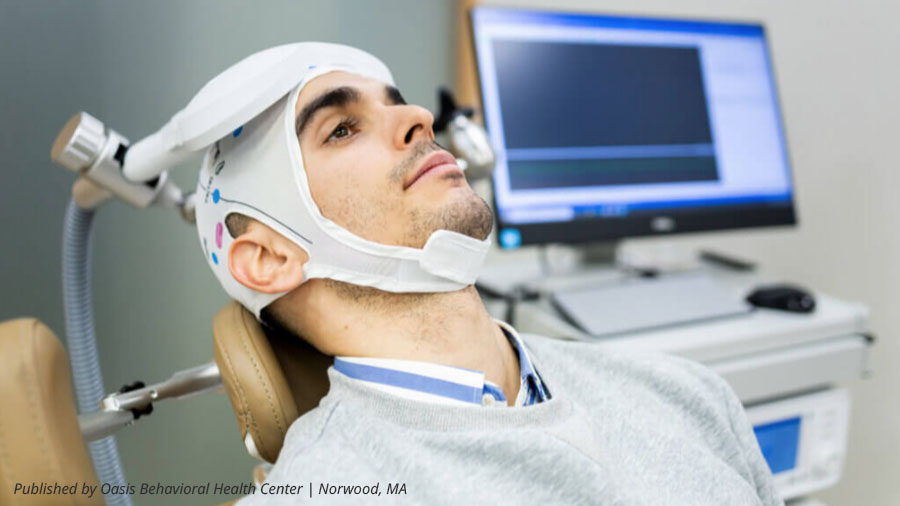
TMS is a relatively simple and outpatient procedure. During a session, a magnetic coil is placed on the scalp near the forehead. The device sends pulses of magnetic energy through the skull, stimulating neurons in the prefrontal cortex — an area of the brain that plays a key role in regulating mood. These pulses encourage the brain to become more active in areas that are underactive in those with depression, potentially alleviating symptoms of the disorder.
How Does TMS Work?
The exact mechanism behind TMS is still being studied, but research suggests that it works by changing the electrical activity in the brain’s neural networks. Depression is thought to be linked to decreased activity in the prefrontal cortex, a critical area involved in emotional regulation and decision-making. In patients with depression, this area may be underactive, making it harder for the brain to regulate mood effectively.
TMS targets these brain regions using a highly focused magnetic field, stimulating neural activity in the prefrontal cortex and promoting the release of neurotransmitters such as serotonin, dopamine, and norepinephrine. These chemical changes help to improve mood and reduce depressive symptoms.
Why Choose TMS?
TMS provides an alternative treatment for individuals who have not responded to traditional antidepressant medications. While antidepressants can take weeks or even months to show effects, TMS has been shown to produce noticeable results in a relatively short period — often within 2 to 4 weeks of treatment.
One of the significant advantages of TMS over medication is that it has fewer side effects. Many patients experience minimal side effects compared to antidepressants, which can cause weight gain, sexual dysfunction, and drowsiness. With TMS, side effects tend to be mild and may include headache or slight scalp discomfort, which often resolves quickly.
Effectiveness of TMS
TMS has been proven to be effective for patients who have failed to respond to at least one antidepressant medication. In clinical studies, TMS has shown promising results in reducing depression symptoms and, in some cases, achieving full remission. According to research, about 50-60% of patients with treatment-resistant depression experience a significant reduction in symptoms after completing a full course of TMS therapy.
How is TMS Administered?
A typical TMS treatment session lasts about 20-40 minutes, and most patients require 5 sessions per week over the course of 4 to 6 weeks. During the session, the patient is seated comfortably, and the TMS device is placed near the scalp. While some patients report feeling a tapping or pulsing sensation on the scalp, the procedure is generally well-tolerated and does not require anesthesia.
Conclusion
TMS represents an exciting development in the treatment of depression, offering hope for those who have struggled with conventional treatments. It is a safe, well-tolerated, and non-invasive procedure that can provide significant relief for individuals suffering from major depression. If you or a loved one have struggled with depression and are seeking a new treatment option, consider reaching out to Oasis Behavioral Health Center to learn more about how TMS can make a difference in your life.
Citations:
- George, M. S., & Aston-Jones, G. (2010). Noninvasive techniques for the treatment of depression. Journal of Clinical Psychiatry, 71(7), 912-919.
- Slotema, C. W., et al. (2010). Should we expand the use of repetitive transcranial magnetic stimulation (rTMS) in psychiatric treatment? Journal of Affective Disorders, 120(1-3), 122-127.