
Introduction
For many individuals suffering from depression, medications and therapy provide much-needed relief. However, a significant portion of patients do not experience sufficient improvement from traditional treatments. This condition, known as treatment-resistant depression (TRD), can be frustrating and debilitating. For those with TRD, finding a solution can feel overwhelming. Fortunately, Transcranial Magnetic Stimulation (TMS) is offering new hope to those who haven’t responded to conventional therapies. In this blog, we’ll explore how TMS works, why it’s effective for treatment-resistant depression, and how it could be the lifeline many have been searching for.
What is Treatment-Resistant Depression?
Treatment-resistant depression is a term used to describe individuals whose depression does not improve after trying at least two different antidepressant medications. For people with TRD, traditional treatments often fail to provide adequate relief, and symptoms can persist for years. This condition can be incredibly isolating and challenging, leaving individuals feeling hopeless and without options.
Unfortunately, individuals with TRD often face a long and difficult road to recovery, as they try various medications, psychotherapy, or other interventions without finding a lasting solution. In these cases, TMS offers a promising alternative that works directly to target the areas of the brain associated with mood regulation.
How TMS Works for TRD
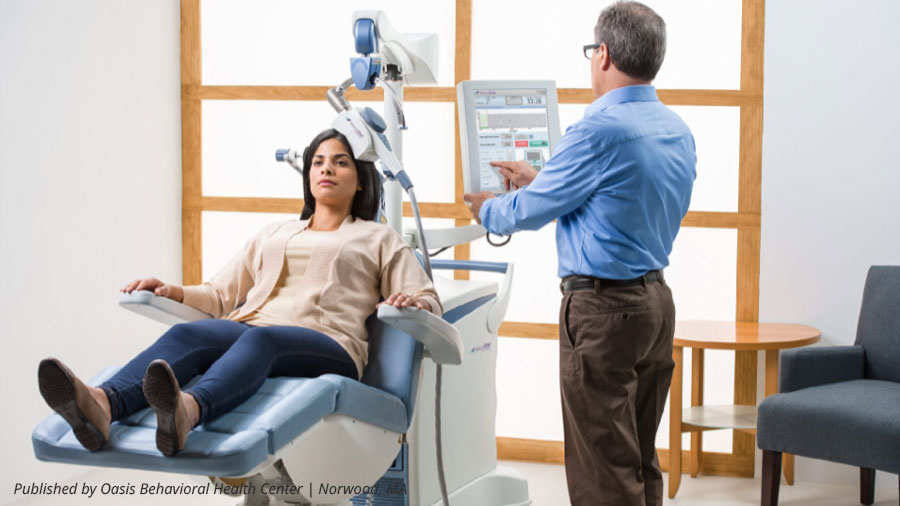
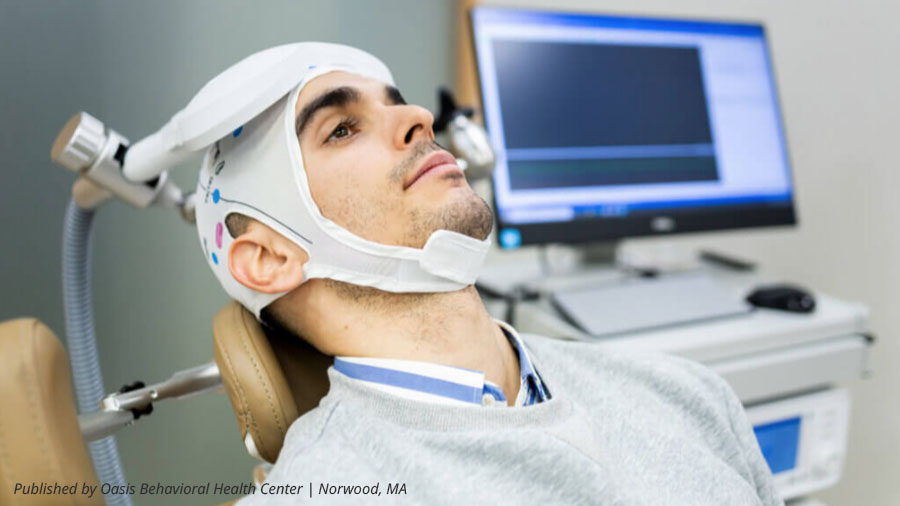
TMS works by delivering magnetic pulses to the left prefrontal cortex, a region of the brain that is often underactive in individuals suffering from depression. By stimulating this area, TMS helps to restore proper neural activity and improve communication between brain regions involved in emotional regulation. This reactivation of brain function can provide relief from depression symptoms and lead to lasting improvement.
For individuals with TRD, TMS has been shown to significantly reduce symptoms and, in many cases, result in remission. It is a safe and non-invasive procedure that does not require anesthesia, making it an appealing option for patients who have not found success with other treatments.
Effectiveness of TMS for Treatment-Resistant Depression
Numerous clinical studies have demonstrated the effectiveness of TMS for treatment-resistant depression. Research shows that approximately 50-60% of patients with TRD experience significant symptom relief after completing a course of TMS. In fact, many individuals who had not responded to medications reported feeling better after just a few weeks of treatment.
What makes TMS particularly appealing is its ability to provide long-lasting effects without the side effects often associated with antidepressant medications. Unlike medications, which can cause weight gain, sexual dysfunction, or fatigue, TMS typically has only mild side effects such as headache or scalp discomfort.
Conclusion
For individuals who have struggled with treatment-resistant depression, TMS offers a real opportunity for recovery. It provides a non-invasive, effective way to target the areas of the brain that play a role in mood regulation, helping patients achieve long-term relief. If you or someone you love is facing treatment-resistant depression, consider reaching out to Oasis Behavioral Health Center to learn more about how TMS can be a transformative part of your treatment journey.
Citations:
- Martin, D. M., et al. (2011). A randomized controlled trial of transcranial magnetic stimulation for treatment-resistant depression. The Journal of Clinical Psychiatry, 72(11), 1442-1448.
- Blumberger, D. M., et al. (2012). A systematic review of transcranial magnetic stimulation for treatment-resistant depression. Canadian Journal of Psychiatry, 57(11), 645-653.