At Oasis Behavioral Health Center, we believe that mental wellness begins with the fundamentals—and one of the most important, yet often overlooked, foundations of mental health is sleep. While we’ve always known that a good night’s rest is important, new scientific research is revealing just how critical sleep is for brain function, emotional regulation, and overall mental health.
Your Brain’s Nightly Cleaning Crew
Every day, the cells in your brain produce waste as part of their normal activity. If this waste were left to accumulate, it could interfere with brain function and contribute to disease. But unlike the rest of the body, the brain doesn’t have a traditional lymphatic system to remove this debris. So how does it stay clean?
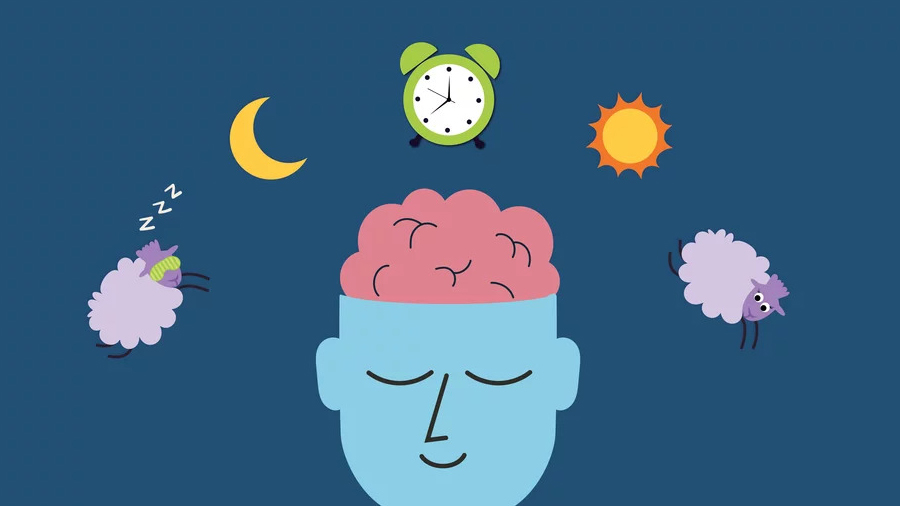
Scientists discovered a unique system in the brain called the glymphatic system. This system uses cerebrospinal fluid (CSF) to wash away waste products through special channels formed by brain cells called astrocytes. And here’s the fascinating part: this cleaning process happens almost exclusively during sleep—particularly during deep and REM sleep, when our brains generate the slow, synchronized waves that power glymphatic flow.
In other words, when we sleep, our brains literally “rinse” themselves clean.
Sleep and Mental Health: A Two-Way Street
We’re learning that sleep and mental health are deeply intertwined. Numerous studies have shown that individuals with mental health disorders—such as depression, anxiety, schizophrenia, and Alzheimer’s disease—often experience poor sleep quality. Specifically, they tend to have fewer slow-wave sleep cycles and reduced sleep spindle activity, both of which are essential for healthy brain function and emotional processing.
But there’s also good news: improving sleep can improve mental health.
Therapies like Cognitive Behavioral Therapy for Insomnia (CBT-I) have been shown not only to improve sleep, but also to reduce symptoms of depression, anxiety, and even psychosis. Recent research even suggests that quality sleep might slow the progression of diseases like Alzheimer’s by helping clear neurotoxic waste more efficiently.
What This Means for You
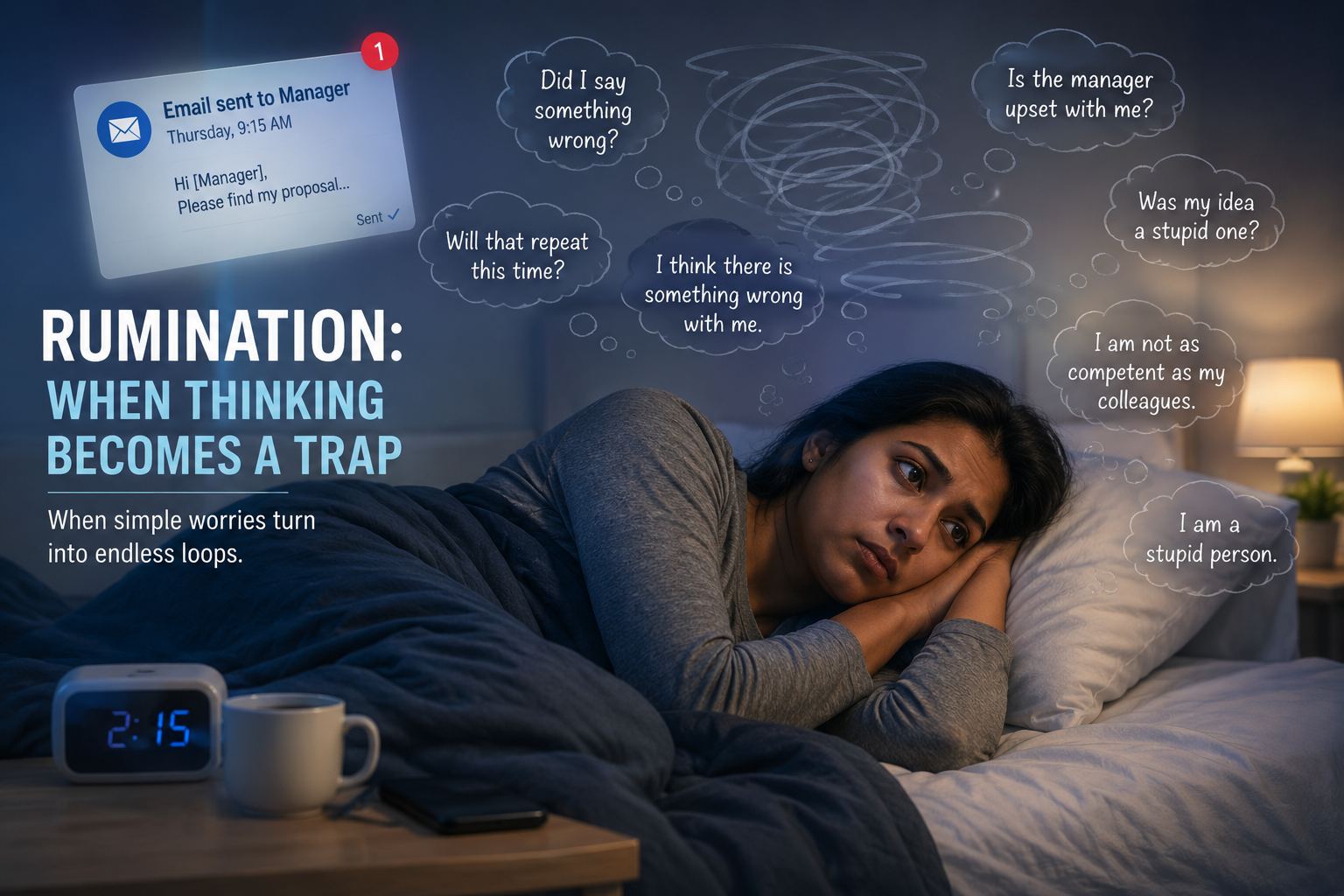
If you or a loved one is struggling with mental health symptoms, don’t overlook the importance of sleep. Poor sleep isn’t just a symptom of mental illness—it can be a contributing factor. And in many cases, addressing sleep issues can lead to meaningful improvements in mood, focus, energy, and resilience.
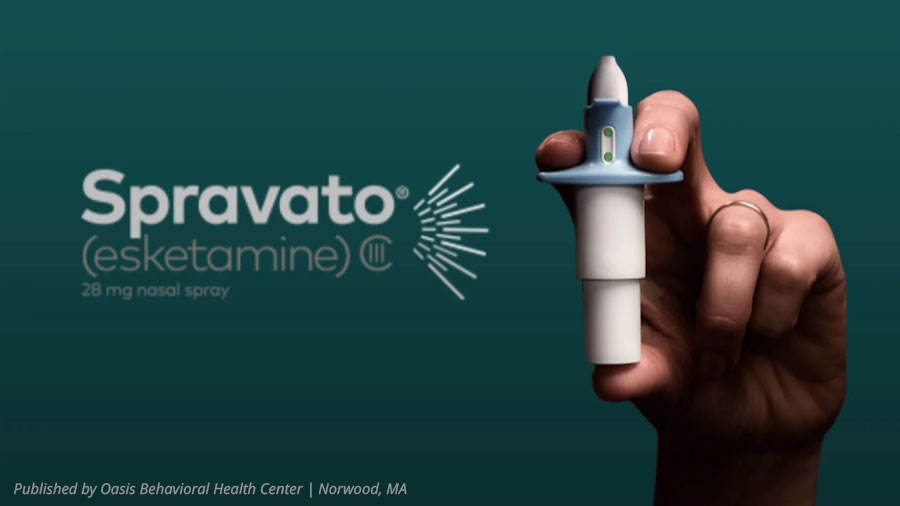
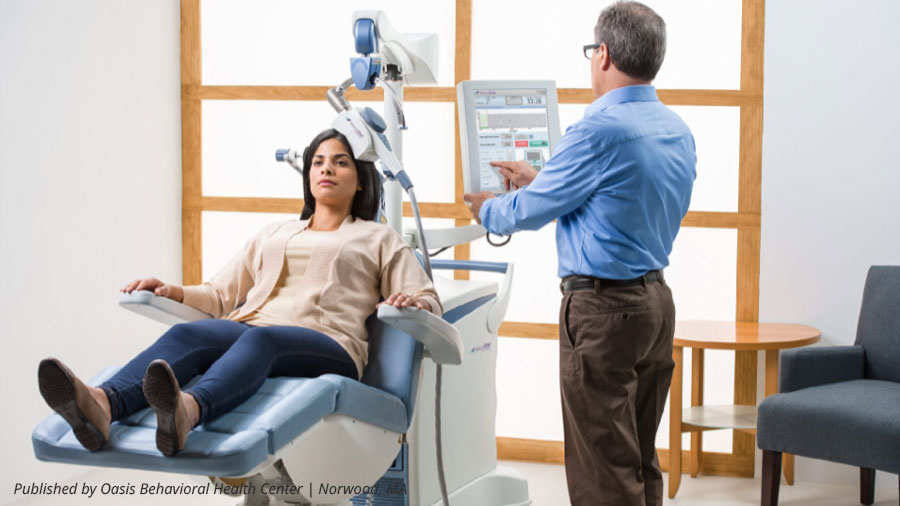
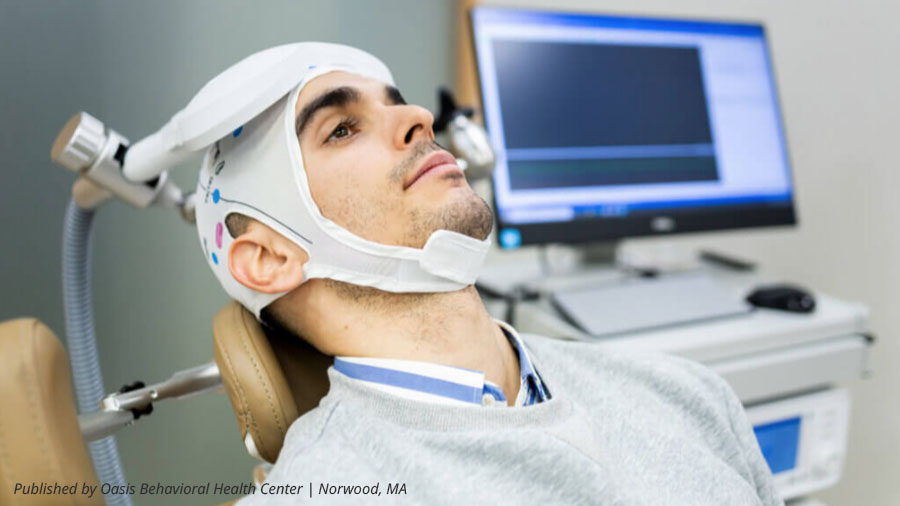
At Oasis Behavioral Health Center, we incorporate holistic, evidence-based approaches to care, and we recognize sleep as a pillar of healing. Whether you are seeking psychiatric services, therapy, TMS, or Spravato treatment, our providers always consider lifestyle factors that may be impacting your mental wellness—especially sleep.
Tips to Improve Your Sleep Today:
- Stick to a regular sleep schedule, even on weekends.
- Limit screen time an hour before bed.
- Avoid caffeine and alcohol late in the day.
- Create a relaxing bedtime routine—read, meditate, or take a warm bath.
- Talk to a mental health professional if sleep problems persist.
Sleep is Not a Luxury—It’s a Necessity
As science continues to uncover the critical role sleep plays in mental and neurological health, one message is clear: sleep is one of the most powerful tools we have to protect our minds and support recovery.
If you’re struggling with your mental health or sleep quality, we’re here to help. Contact Oasis Behavioral Health Center today to learn how our compassionate, personalized care can help you restore your well-being—from the inside out.
References
Baglioni, C., Nanovska, S., Regen, W., et al. (2016). Sleep and mental disorders: A meta-analysis of polysomnographic research. Psychological Bulletin, 142(9), 969–990. https://doi.org/10.1037/bul0000053
Ferrarelli, F. (2021). Sleep abnormalities in schizophrenia: State of the art and next steps. American Journal of Psychiatry, 178(10), 903–913. https://doi.org/10.1176/appi.ajp.2021.20071069
Iliff, J. J., Wang, M., Liao, Y., et al. (2012). A paravascular pathway facilitates CSF flow through the brain parenchyma and the clearance of interstitial solutes, including amyloid β. Science Translational Medicine, 4(147), 147ra111. https://doi.org/10.1126/scitranslmed.3003748
Jiang‑Xie, L.‑F., Drieu, A., Bhasiin, K., Quintero, D., Smirnov, I., & Kipnis, J. (2024). Neuronal dynamics direct cerebrospinal fluid perfusion and brain clearance. Nature, 627(8002), 157–164. Retrieved February 28, 2024, from Nature. DOI: https://doi.org/10.1038/s41586-024-07108-6 ouci.dntb.gov.uanature.com+1profiles.wustl.edu+1
Louveau, A., Smirnov, I., Keyes, T. J., et al. (2015). Structural and functional features of central nervous system lymphatic vessels. Nature, 523, 337–341. https://doi.org/10.1038/nature14432
Páez, A., Gillman, S. O., Dogaheh, S. B., et al. (2025). Sleep spindles and slow oscillations predict cognition and biomarkers of neurodegeneration in mild to moderate Alzheimer’s disease. Alzheimer’s & Dementia, 21, e14424. https://doi.org/10.1002/alz.14424
Riemann, D., Krone, L. B., Wulff, K., et al. (2020). Sleep, insomnia, and depression. Neuropsychopharmacology, 45, 74–89. https://doi.org/10.1038/s41386-019-0481-y
Scott, A. J., Webb, T. L., Martyn‑St James, M., et al. (2021). Improving sleep quality leads to better mental health: A meta-analysis of randomized controlled trials. Sleep Medicine Reviews, 60, 101556. https://doi.org/10.1016/j.smrv.2021.101556
Yasugaki, S., Okamura, H., Kaneko, A., & Hayashi, Y. (2023). Bidirectional relationship between sleep and depression. Neuroscience Research, 211, 57–64. https://doi.org/10.1016/j.neures.2023.04.006