Transcranial Magnetic Stimulation (TMS) has become an important treatment option for individuals struggling with depression—especially when medications and traditional therapy haven’t provided enough relief. As TMS technology continues to advance, patients may hear about different types of TMS, including repetitive TMS (rTMS) and deep TMS (dTMS).
At Oasis Behavioral Health Center, we believe informed patients feel more confident in their treatment decisions. Understanding the differences between rTMS and dTMS can help you take an active role in your mental health journey.
What Is rTMS?
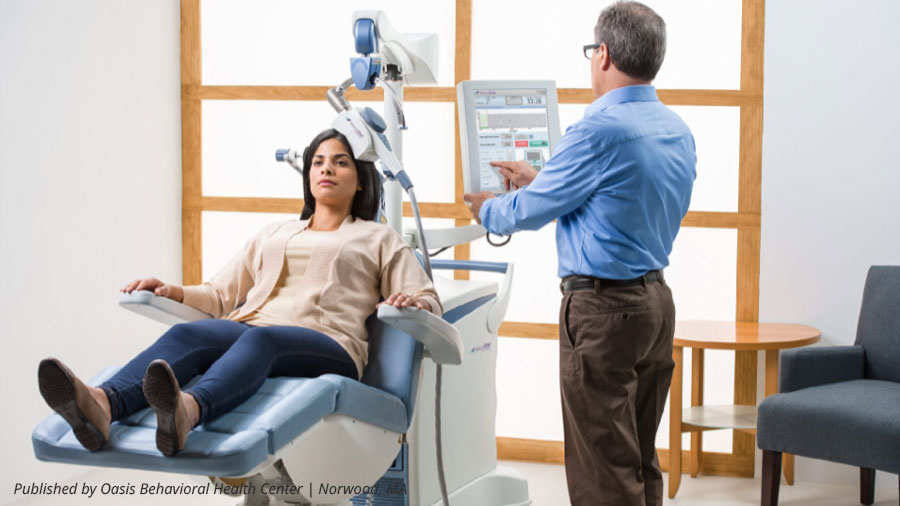
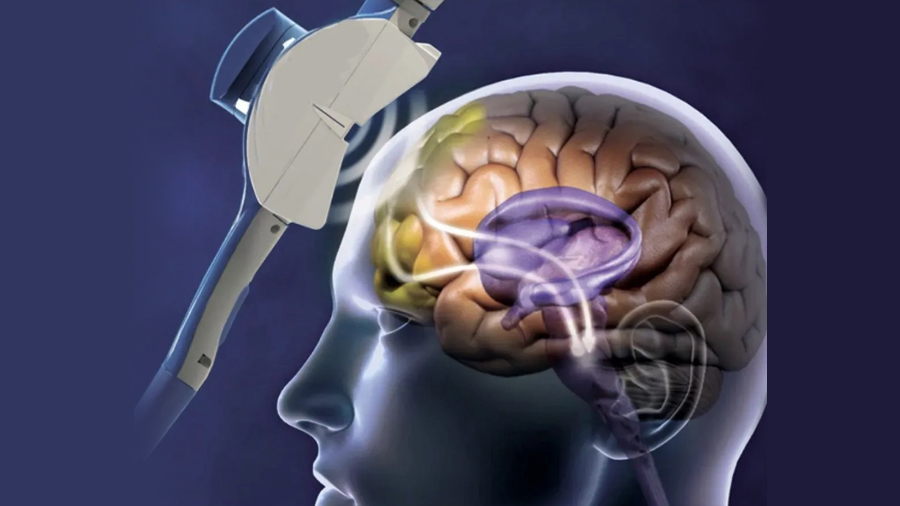
Repetitive Transcranial Magnetic Stimulation (rTMS) is the most widely studied and commonly used form of TMS therapy. It delivers focused magnetic pulses to specific areas of the brain involved in mood regulation—most often the left dorsolateral prefrontal cortex.
rTMS is:
- FDA-approved for major depressive disorder
- Non-invasive and does not require anesthesia
- Typically administered five days per week over several weeks
- Well tolerated, with the most common side effect being mild scalp discomfort or headache
Because rTMS targets precise brain regions, it allows clinicians to individualize treatment based on each patient’s symptoms and response.
What Is dTMS?
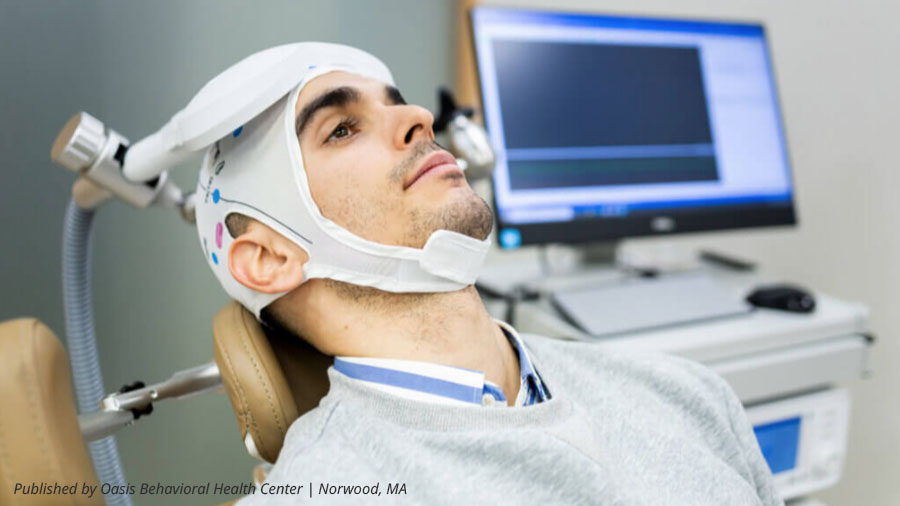
Deep Transcranial Magnetic Stimulation (dTMS) uses a different type of coil—often referred to as an H-coil—which allows magnetic pulses to penetrate deeper and stimulate broader neural networks in the brain.
dTMS:
- Is also FDA-approved for major depressive disorder
- Targets deeper brain structures associated with mood and emotional regulation
- May be beneficial for patients who have not responded to other treatments
The broader stimulation pattern of dTMS may be helpful for certain individuals, though it also means less precision in targeting specific cortical areas.
Key Differences Between rTMS and dTMS
While both treatments are effective and evidence-based, there are important distinctions:
- Depth and precision: rTMS is more focal, while dTMS reaches deeper but less targeted regions
- Treatment experience: rTMS uses a smaller coil; dTMS involves wearing a helmet-style apparatus
- Clinical decision-making: The best option depends on diagnosis, prior treatment response, and individual brain anatomy
Neither approach is “better” across the board—the right choice is highly personalized.
Choosing the Right Treatment at Oasis
At Oasis Behavioral Health Center, our experienced clinical team carefully evaluates each patient’s history, symptoms, and goals before recommending a treatment plan. Whether rTMS or dTMS is appropriate, our priority is delivering safe, effective care that supports long-term healing.
If you’ve been living with depression and feel like nothing has worked, TMS therapy may offer a new path forward.
To learn more about TMS options or to schedule a consultation, contact Oasis Behavioral Health Center at 617-401-7700 or visit www.obhi.org.
Works Cited
George MS, Post RM. Daily left prefrontal repetitive transcranial magnetic stimulation for acute treatment of medication-resistant depression. Am J Psychiatry.
https://pubmed.ncbi.nlm.nih.gov/9867618/
Levkovitz Y et al. Efficacy and safety of deep transcranial magnetic stimulation for major depression. World Psychiatry.
https://pubmed.ncbi.nlm.nih.gov/23024647/
National Institute of Mental Health. Brain Stimulation Therapies.
https://www.nimh.nih.gov/health/topics/brain-stimulation-therapies
FDA. TMS Devices for Depression.
https://www.fda.gov/medical-devices