
“I did everything they told me to do.”
Ananya remembers sitting in her therapist’s office, staring at the floor.
She had taken her medications exactly as prescribed. She had attended therapy every week. She exercised when she could, tried mindfulness, maintained a sleep routine, and forced herself to socialize despite feeling emotionally drained.
Friends would often ask, “Are you feeling better now?”
She wanted to say yes.
Instead, she smiled politely and replied, “A little.”
The truth was different.
The sadness was still there. Mornings still felt unbearably heavy. Simple tasks like taking a shower or replying to a message required enormous effort. She wasn’t refusing treatment. She wasn’t “thinking negatively.” She wasn’t weak.
The treatment simply wasn’t working the way everyone hoped it would.
For many people living with depression, this experience is painfully familiar. While most individuals improve with therapy, medication, or a combination of both, some continue to experience significant symptoms despite receiving appropriate treatment. This condition is known as
(TRD). People with TRD often continue experiencing symptoms such as persistent sadness, anxiety and emotional emptiness or numbness, constant fatigue or exhaustion, loss of interest in previously enjoyed activities, changes in sleep and appetite, Difficulty to concentrate, focus and remember, brainfog, feelings of hopelessness, worthlessness and helplessness, Low motivation, social withdrawal, thoughts of self-harm and suicide. Though severity may fluctuate, the symptoms continue despite appropriate treatment.
Understanding TRD is important—not only for those living with it but also for families, caregivers, employers, and communities. Depression is complex, and so is recovery. When depression becomes treatment-resistant, it is often because many factors are working together,not just brain chemistry. Differences in genetics, hormones, inflammation, and brain function can affect how people respond to medication. Sometimes the diagnosis needs to be reconsidered, as conditions like bipolar disorder, anxiety, thyroid disorders, or trauma may be contributing. Ongoing stress, difficult life circumstances, and unresolved emotional wounds can also make recovery more challenging.
There is hope
Treatment-resistant depression does not mean that recovery is impossible. It simply means a different approach may be needed. A combination of medication adjustments, psychotherapy, brain stimulation therapies such as TMS, Spravato, healthy lifestyle changes, and strong family support can make a significant difference. Recovery may be slow and uneven, but with the right treatment plan and continued hope, many people go on to lead meaningful and fulfilling lives.
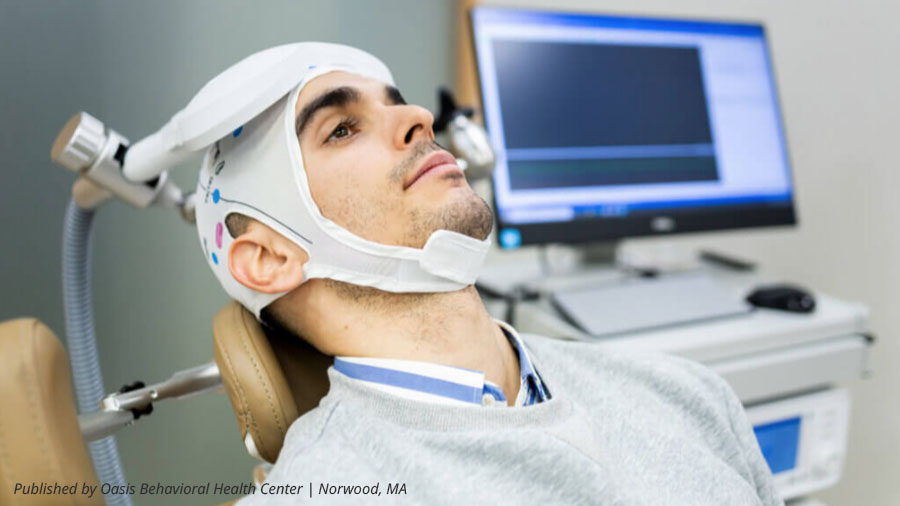
Transcranial Magnetic Stimulation (TMS)
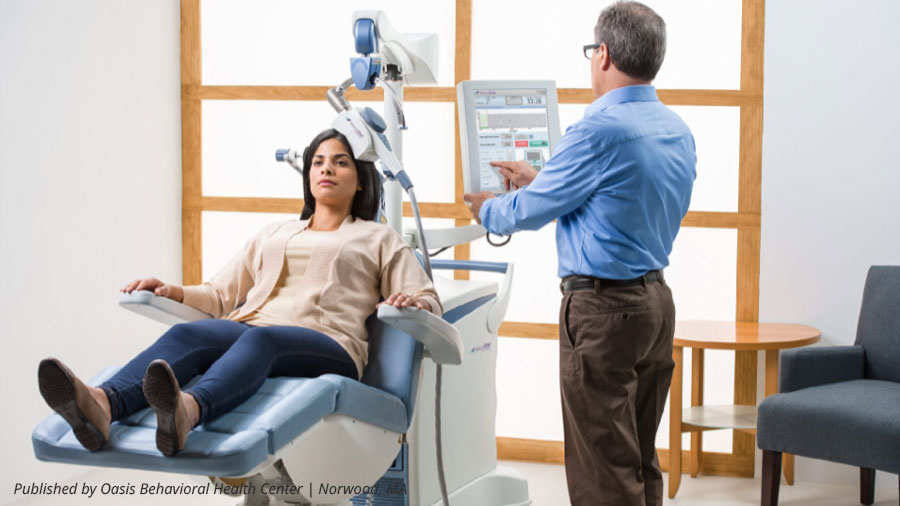
Transcranial Magnetic Stimulation (TMS) is an FDA-approved, non-invasive treatment for depression that uses precisely targeted magnetic pulses to stimulate areas of the brain involved in mood regulation, particularly the prefrontal cortex. Unlike medications, TMS does not introduce drugs into the body and requires no anesthesia or sedation. During treatment, a magnetic coil is placed against the scalp to deliver painless pulses that activate underactive neural circuits associated with depression. A standard course typically involves daily sessions (five days a week) for four to six weeks, with each session lasting about 20–40 minutes. Patients remain awake throughout the procedure and can resume their normal activities immediately after each session.
TMS has demonstrated strong effectiveness, particularly for individuals with treatment-resistant depression who have not responded adequately to antidepressant medications. Clinical studies have shown high response and remission rates, with many patients experiencing gradual improvements in mood, energy, concentration, sleep, and overall quality of life over the course of treatment. Because it is medication-free and generally associated with only mild, temporary side effects such as scalp discomfort or headache, TMS is an attractive option for individuals seeking a safe, evidence-based alternative to conventional antidepressants.
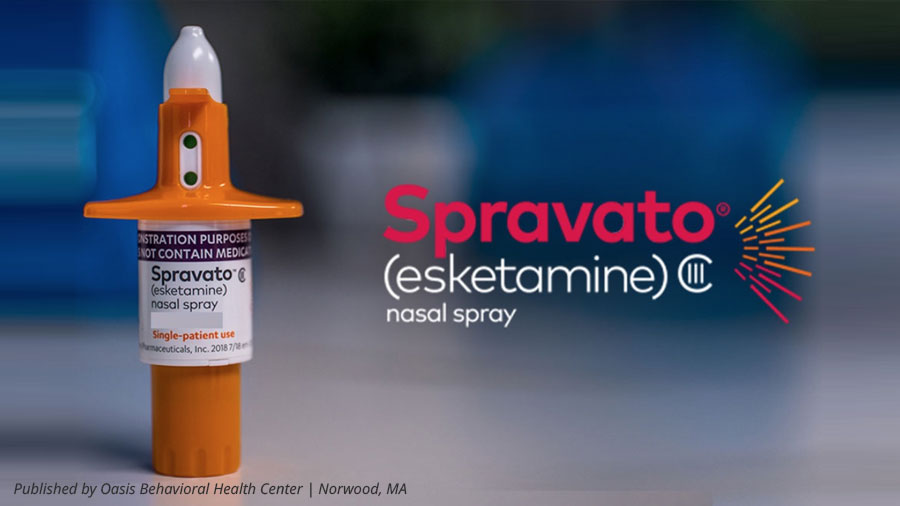
Spravato (Esketamine)
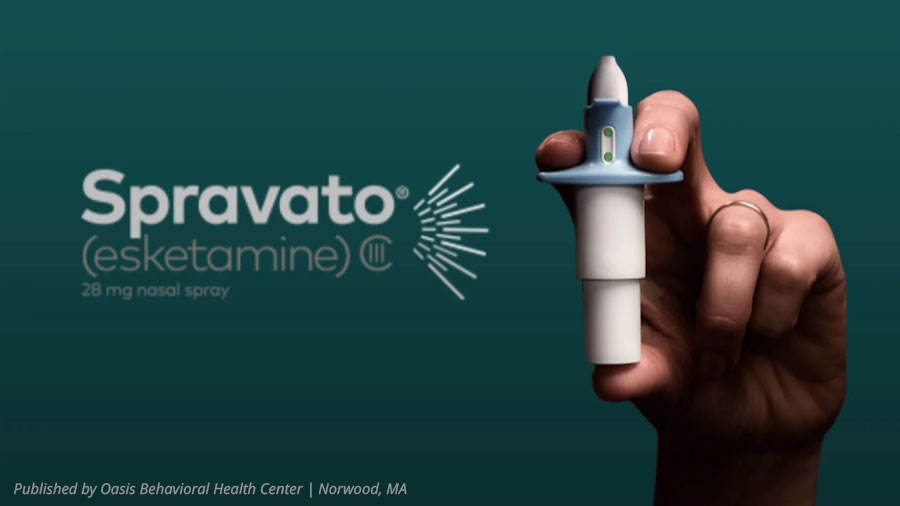
Spravato (esketamine) is an innovative, FDA-approved nasal spray developed specifically for adults with treatment-resistant depression and for major depressive disorder accompanied by acute suicidal thoughts or behaviors. Unlike traditional antidepressants that primarily target serotonin or norepinephrine, Spravato acts on the brain’s glutamate system by blocking NMDA receptors. This unique mechanism promotes the formation of new neural connections, offering a novel approach to treating depression. One of its greatest advantages is its rapid onset of action, with some patients experiencing meaningful symptom relief within hours or days, making it particularly valuable when a faster therapeutic response is needed.
Spravato is administered under strict medical supervision in a certified healthcare setting, where patients self-administer the nasal spray and remain under observation for approximately two hours after treatment to monitor for temporary side effects such as dizziness, dissociation, nausea, or sedation. Treatment typically begins with twice-weekly sessions for four weeks, followed by weekly and then maintenance treatments every one to four weeks, depending on clinical response. For many individuals who have not benefited from multiple antidepressant trials, Spravato offers renewed hope through a faster-acting and highly effective treatment option.
Combined Therapy: TMS and Spravato
Although TMS and Spravato are highly effective as standalone treatments, growing clinical experience and emerging research suggest that combining the two therapies may provide even greater benefits for some individuals with treatment-resistant depression. Because the treatments work through entirely different biological mechanisms TMS by directly stimulating brain circuits and Spravato by enhancing glutamate-mediated neuroplasticity they may complement one another, addressing depression from multiple pathways. This combined approach has the potential to improve symptom reduction, increase remission rates, and support more durable recovery than either treatment alone in selected patients.

In clinical practice, treatment plans are individualized based on each person’s symptoms, treatment history, and overall health. Some patients begin with Spravato to achieve rapid stabilization, particularly when symptoms are severe or urgent, and then transition to TMS to reinforce long-term improvements and reduce the risk of relapse. Others receive TMS as their primary therapy and add Spravato when additional symptom relief is required. When integrated with psychotherapy, lifestyle interventions, and ongoing psychiatric care, the combination of TMS and Spravato represents one of the most promising comprehensive treatment strategies currently available for individuals living with treatment-resistant depression.
If you or someone you love is struggling with treatment-resistant depression, you don’t have to face it alone. The experienced mental health team at TMS For You is here to help with comprehensive assessment, accurate diagnosis, and personalized, evidence-based treatment. Schedule an assessment or consultation with our experts and take the next step toward recovery. Hope remains—and effective help is available.