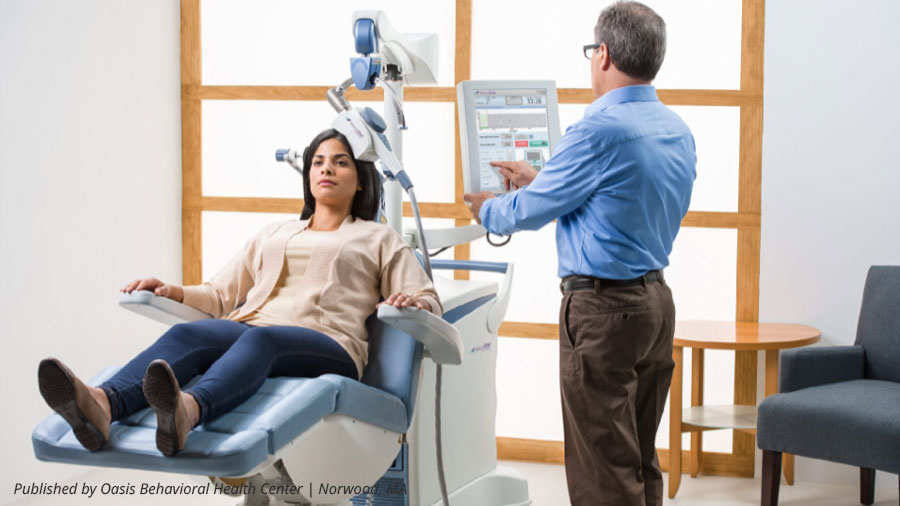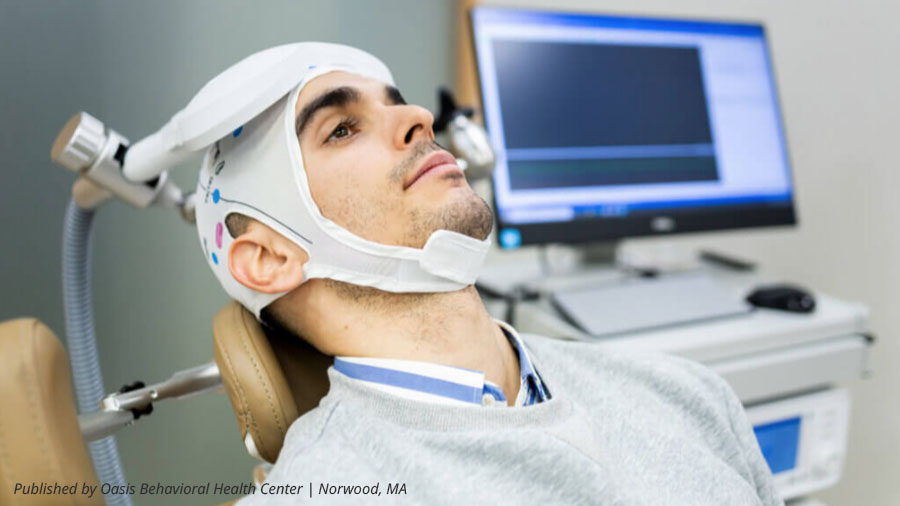

Transcranial Magnetic Stimulation (TMS) therapy and medication-based treatments are two common modalities used for treating various mental health conditions. TMS is a non-invasive procedure that uses magnetic pulses to activate nerve cells in specific brain regions involved in mood regulation, and is particularly effective in treating depression, anxiety, and certain types of pain disorders. Medications are the first-line of treatment, usually prescribed in the case of mental health conditions.
Efficacy
TMS Therapy: TMS has displayed high efficacy in treatment-resistant depression, with significant improvements seen in patients who did not respond to medications. Studies suggest that TMS can achieve remission in about 50-70% of patients with treatment-resistant depression. That said, TMS is not a guaranteed solution and may not work for some people.
Medication-based Treatments: Antidepressants and anti-anxiety drugs are often the first-line of treatment for depression, particularly in mild to moderate cases. The various classes include SSRIs, SNRIs, and tricyclic antidepressants. They work by altering neurotransmitter levels in the brain. Extensive research and history reinforces the efficacy of antidepressants for depression and other mood disorders. While, antidepressants are effective for many individuals, in the right medication and dosage, it requires trial and error to find, and about 25% of patients do not respond to these treatments. Issues are also seen with adherence and managing side-effects.
Side-Effects
- TMS has minimal side-effects and is generally well-tolerated. The most common downside found during or post treatment is mild headache or discomfort at the treatment area. Patients generally resume normal activities soon after treatment. TMS, is localised to the brain, and does not create systemic issues commonly associated with medications.
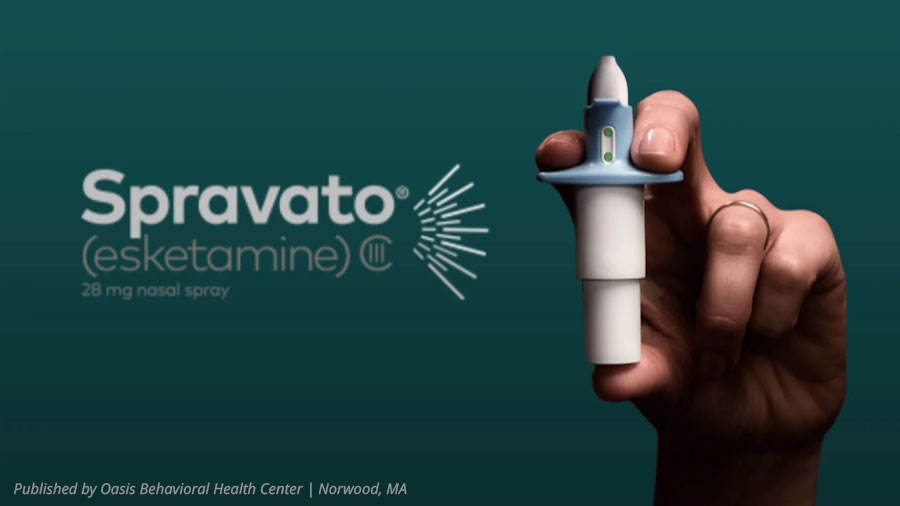
- Medications can lead to a variety of side effects, including nausea, weight gain, sexual dysfunction, insomnia and gastrointestinal issues. Some side-effects may be temporary and diminish over time, while others may persist and need further management. Discontinuing antidepressants can result in withdrawal symptoms, making it hard to stop medication.
Long-Term Outcomes
- TMS Therapy has demonstrated efficacy in the long-term for many individuals, post treatment. And in many cases, the benefits are found to be sustained for months to years.
- Medication-based Treatment effects, can vary for different people in the long-term. It can take several weeks for the effect of medication to kick-in and take effect. Some patients may require to continue medication, long-term, to manage symptoms. For others symptoms may improve to the extent where they can completely wean off medication.
Convenience
TMS requires 30-40 minute sessions daily, five days a week for 4-6 weeks. It necessitates significant time commitment and daily travel to a clinic.
Medications can be taken at home, as pills. Antidepressants need to be taken daily and can take several weeks to have full effect.
Availability and Cost
TMS can be expensive and is not always covered under insurance. Access to TMS may be limited based on geographical location.
Antidepressant medications are comparatively affordable, and can be obtained on prescription.
TMS Therapy or Medication?
Patient Considerations
- Severe or treatment-resistant depression is usually found to respond better to TMS.
- TMS is a viable alternative, when multiple medications haven’t been effective.
- Patients will want to consider cost of treatment, and insurance coverage.
- Patients who are sensitive to medication side-effects might choose TMS.
- Co-existing Medical Conditions make TMS preferable, due to the risk involved.
- Any other personal preferences.
Practitioner Considerations
- Comprehensive evaluation of the patient’s medical history, previous treatments, and personal preferences.
- Collaborative decision-making with patient to ensure adherence to the chosen treatment plan.
- Regular monitoring and follow-up to help assess effectiveness or alternative action.
To opt for TMS Therapy or Medication, depends on the individual’s disorder, condition, symptoms, severity, and history of illness, previous treatment response, preferences, and treatment goals. Consulting with a healthcare practitioner can help one make an informed decision based on one’s specific condition and requirements, so as to choose the most appropriate treatment plan.