
Transcranial Magnetic Stimulation (TMS), a non-invasive brain stimulation technique, uses magnetic fields to stimulate nerve cells in the brain to treat depression and other mental health disorders. TMS is an emerging treatment option, especially for adolescents with treatment- resistant depression (TRD).
How TMS Works
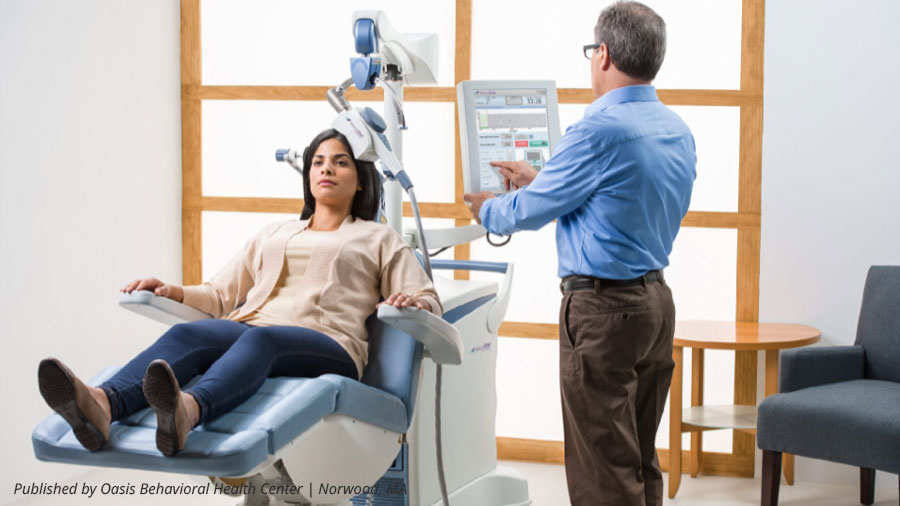
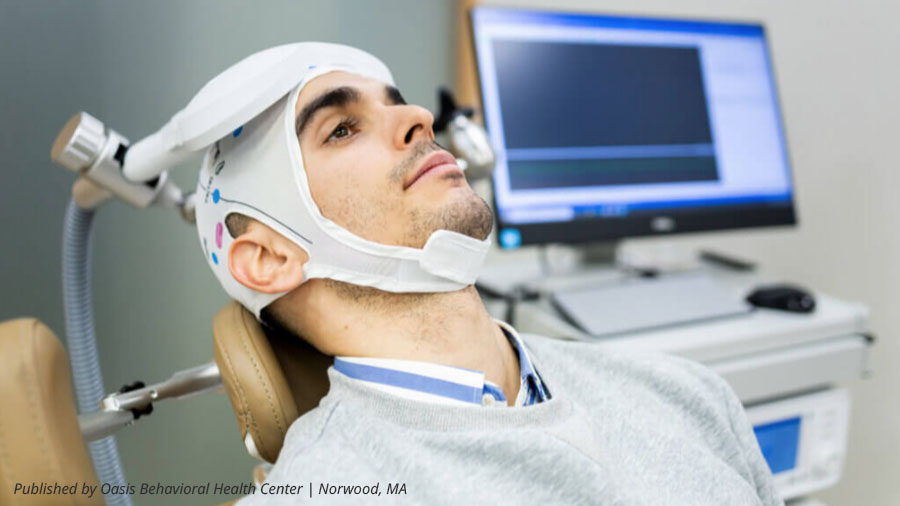
A magnetic coil is placed against the scalp, near the forehead, which then sends magnetic pulses to particular areas of the brain responsible for mood regulation. The pulses create small electrical flows that kindle nerve cells, which can improve symptoms of depression.
Use of TMS in Adolescents?
1. Effective: TMS has been applied in clinical settings to treat depressive symptoms in adolescents with treatment resistant depression (TRD), who did not respond to traditional treatments, such as medication and psychotherapy. As per a study published in the Journal of Child and Adolescent Psychopharmacology, significant improvement in depressive symptoms were seen in adolescents with TRD, resulting in better overall functioning and quality of life. The degree of efficacy depends on the severity of the condition and individual patient characteristics.
2. Safe: TMS is generally considered safe for adolescents, with mild and transient side effects, the most common being headache, scalp discomfort, and muscle twitching. Serious side effects are rare, making it a potentially good option for adolescents. A systematic review (2019) in Frontiers in Psychiatry presented various studies where TMS showed potential in reducing depressive symptoms among adolescents, with minimal side effects reported.
3. Clinical Trials: Studies are ongoing to better understand the long-term effects of TMS on the adolescent brain. Some studies find that early intervention with TMS could prevent the progression of depression into adulthood.
4. Protocol Development: With knowledge gained from studies and clinical experience, more refined protocols specific to adolescents are being developed, aiming to optimize treatment outcomes and minimize any potential risks.
5. Patient Selection: Clinicians typically select adolescents for TMS when other treatments, such as psychotherapy and medication have failed to improve symptoms. They also carefully consider factors like the severity of depression, previous treatment history, and overall health, before suggesting TMS.
6. Treatment Process: TMS treatment course typically involves sessions of 20 to 60 minutes, during which time the patient is seated comfortably and remains awake. Sessions will be held five days a week for about four to six weeks. As the procedure is non-invasive it doesn’t require anesthesia or recovery time.
TMS is becoming an increasingly utilized treatment option and offers hope for adolescents with treatment-resistant depression. It is expected that more refined protocols and guidelines will emerge with research, further establishing TMS as a reliable option for young people.