Traditional depression medication, like serotonin-norepinephrine reuptake inhibitors (SNRIs) and serotonin reuptake inhibitors (SSRIs) have always been widely used to effectively treat mental health conditions. They work by altering brain neurotransmitter levels to regulate mood. However, not all patients respond well to traditional medications, which led to the development of alternative treatments like Transcranial Magnetic Stimulation (TMS) therapy and Spravato. Both of these are FDA approved treatments for depression, and work differently, for different people.
Depression can be very debilitating for a person and creates imbalances in neurotransmitters in the brain that’s responsible for transmitting messages between brain neurons. This causes malfunctioning in brain connections, leading to confused emotions and feelings, erratic memory and responses, tiredness, mood swings, insomnia, irritation etc., resulting in an inability to function normally.
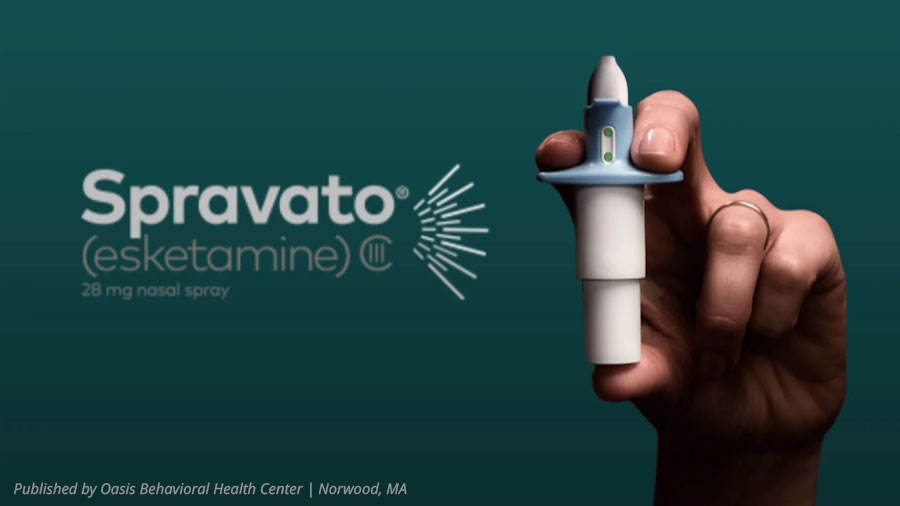
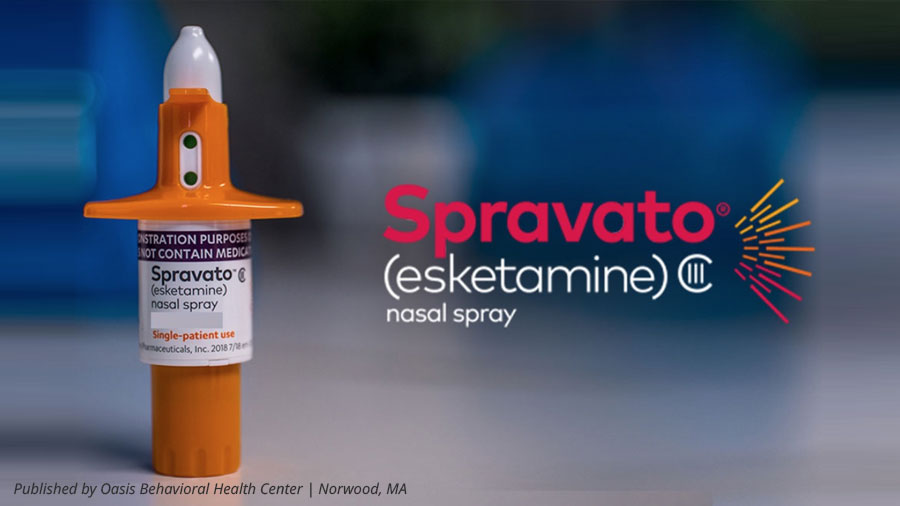
Spravato, is a nasal spray that utilizes esketamine, a derivative of ketamine, to treat depression symptoms. It increases glutamate by blocking NMDA receptors and restores the balance of neurotransmitters in the brain to relieve depression symptoms quickly. N-methyl-D-aspartate (NMDA) glutamate receptors are required for many brain functions such as memory, neuroplasticity and learning. Spravato promotes the growth of new neural connections in the brain, leading to quick mood improvements. It’s often used to treat adults with treatment-resistant depression or who have responded poorly to traditional medications. Unlike conventional antidepressants Spravato takes effect rapidly providing relief within hours or days of treatment. Dissociation, drowsiness, increased blood pressure, dizziness, vomiting, and nausea are some side effects, which are usually mild and short-lasting. The treatment is done by administering a nasal spray in a clinical setting under close medical supervision. Spravato is initially administered Twice-weekly, for 4 weeks. It is then reduced to weekly once for 4 weeks, which is then decreased to once every 2 weeks. At this stage there will be significant improvement, after which treatment will be provided every 3-4 weeks for maintenance. Some advantages of Spravato include insurance coverage as it is FDA approved, data showing great long term safety and effectiveness, with clear guidelines on frequency of dosage.
Transcranial Magnetic Stimulation (TMS)
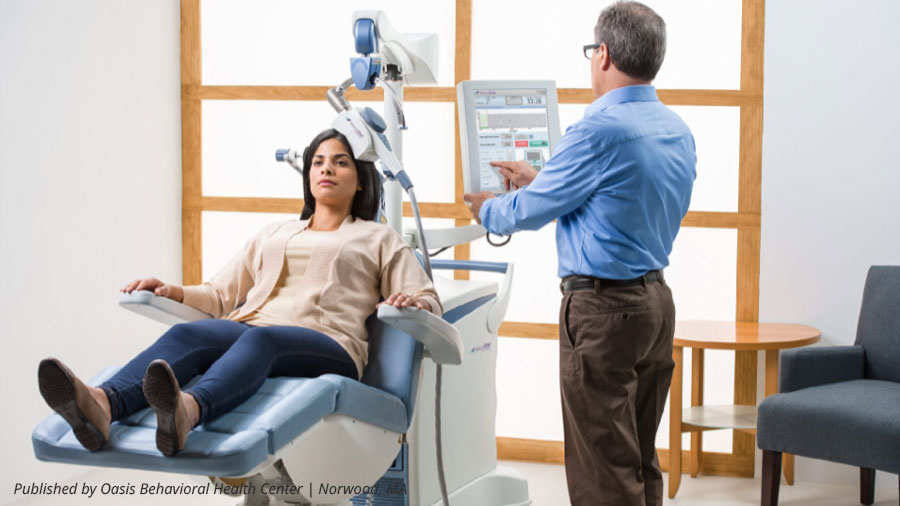
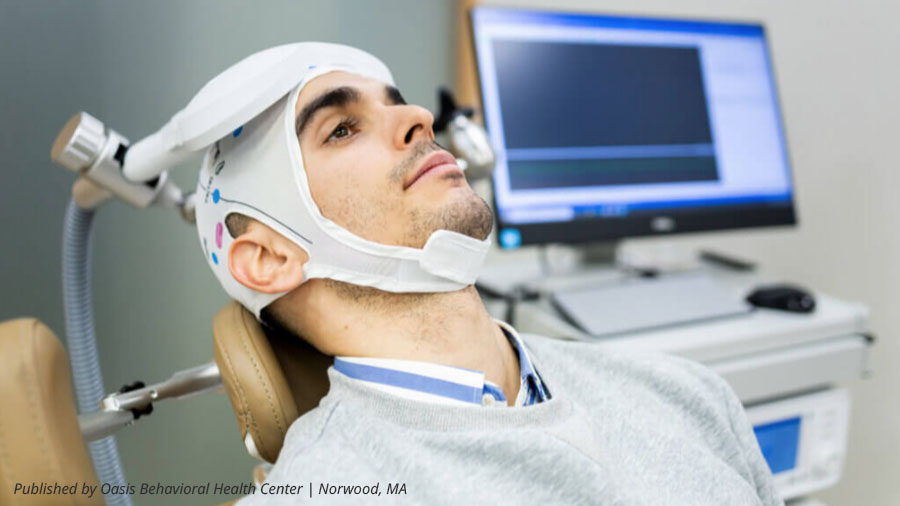
Transcranial Magnetic Stimulation (TMS) is a non-invasive procedure that harnesses magnetic fields to stimulate the brain’s prefrontal cortex (underactive in depressed people) and other specific zones responsible for mood regulation, in a precise and targeted manner. The magnetic pulses activate neurons, resulting in elevated neural activity and improved communication. It’s often used to treat treatment-resistant depression, anxiety, and other mental health conditions. Common side effects include headaches, scalp discomfort, facial twitching, light-headedness, and reduced hearing. Transcranial Magnetic Stimulation (TMS) is done by first placing a magnetic coil on the patient’s scalp. The coil targets short pulses of magnetic fields to specific brain regions only. These pulses create small electric currents to stimulate the particular area. The electric impulses activate brain neurons, potentially enhancing mood regulation. Transcranial Magnetic Stimulation (TMS) is done over a period of 4-6 weeks for a total of around 36 sessions. Each session is for around 20-40 minutes, which 5 sessions per week initially which is then phased off as per response. Additional advantages of TMS are that it is not a drug, it gets easy insurance coverage due to FDA approval, with extensive research proving its safety and effectiveness.
Spravato or Transcranial Magnetic Stimulation (TMS)
Ketamine/Spravato works rapidly while Transcranial Magnetic Stimulation (TMS) takes longer, often 4-5 weeks, to see results. However, Transcranial Magnetic Stimulation (TMS) benefits seem more durable as compared to the former. Some patients may not respond to Transcranial Magnetic Stimulation (TMS) but respond positively to ketamine or Spravato, whereas others respond poorly to ketamine but positively to Transcranial Magnetic Stimulation (TMS) or Spravato. Some patients respond well to both ketamine/Spravato and Transcranial Magnetic Stimulation (TMS). This depends completely on the individual’s symptoms and condition.
Combining Transcranial Magnetic Stimulation (TMS) and Spravato
While Transcranial Magnetic Stimulation (TMS) stimulates specific brain regions with magnetic pulses, Spravato balances neurotransmitter levels for speedy relief. They each target different brain pathways, for wider impact. Transcranial Magnetic Stimulation (TMS) provides long-term effects, while Spravato offers rapid relief. The combination therapy when applied on patients with depression creates significant improvement in their symptoms within a week, whereas it takes weeks for improvement with only one treatment. Both treatments administered in combination will be of extreme benefit for people with severe depression who may be in urgent need of rapid results.
Research shows that only 40-50% people achieved remission with one treatment, whereas up to 75% patients achieved remission with both treatments. Combining Transcranial Magnetic Stimulation (TMS) and Spravato has demonstrated an 85% reduction in depressive symptoms, proving to have a comprehensive effect on mental health.
The combination of Transcranial Magnetic Stimulation (TMS) therapy and Spravato offers much promise and potential for people struggling with persistent depression. The best treatment option depends mainly on individual needs and preferences. This can be personalized by consulting with your healthcare provider and discussing your options to determine which therapy might be most suitable for you.