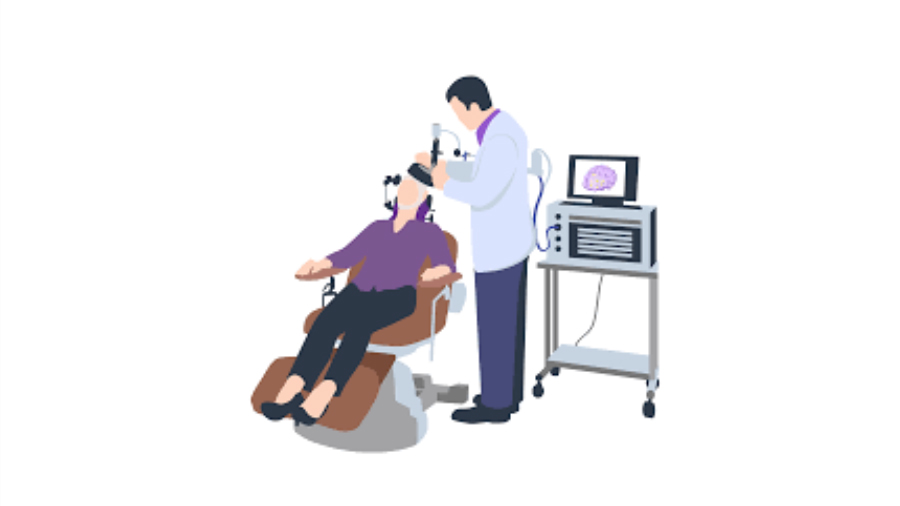
Starting Transcranial Magnetic Stimulation (TMS) therapy is an important step toward better mental health. One of the most common questions patients ask is: How long will it take before I start feeling better?
At Oasis Behavioral Health Center, we believe setting realistic expectations helps patients feel confident and encouraged throughout treatment. While each person’s experience is unique, understanding the general TMS timeline can help you prepare for the journey ahead.
Week 1–2: Getting Started
During the first one to two weeks of TMS treatment:
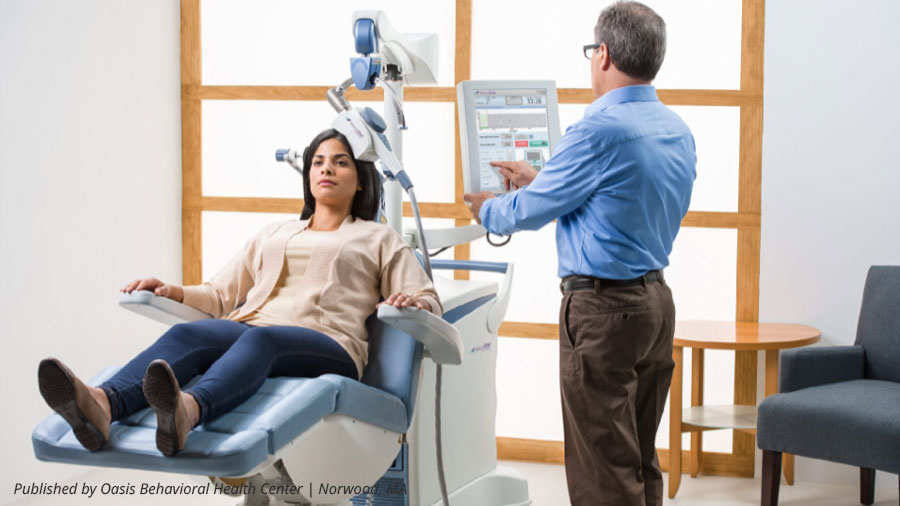
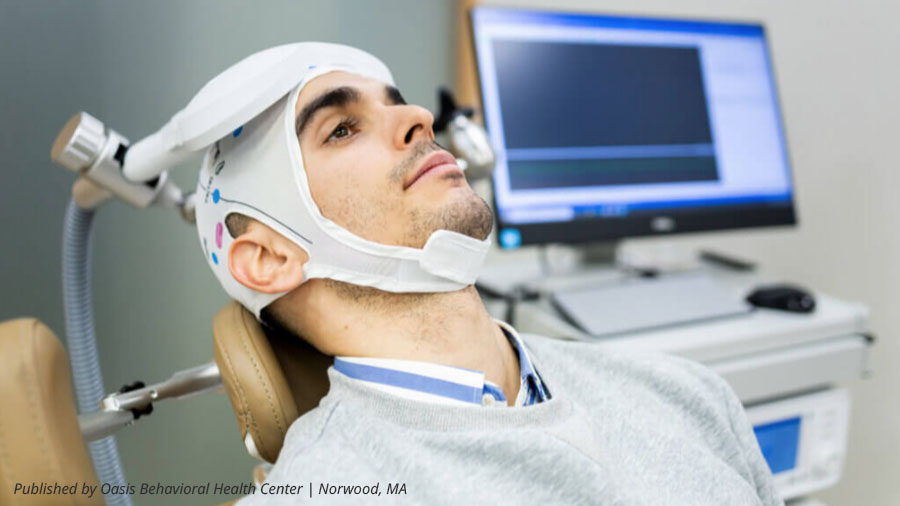
- Sessions are typically scheduled five days per week
- Each session lasts about 20–40 minutes
- Most patients resume normal activities immediately afterward
In the early phase, many patients do not yet notice significant mood changes. This is completely normal. TMS works by gradually stimulating neural pathways involved in mood regulation, and those changes take time to build.
Some patients report:
- Improved sleep
- Slight increases in energy
- Subtle shifts in focus or motivation
Even small changes can be encouraging signs that the brain is beginning to respond.
Week 3–4: Noticeable Improvements
By the third or fourth week, many individuals begin to experience clearer improvements, such as:
- Reduced sadness or hopelessness
- Increased motivation
- Better emotional resilience
- Improved concentration
For patients with treatment-resistant depression, these improvements can feel gradual rather than dramatic. It’s important to track progress week by week rather than day by day.
Week 5–6: Full Treatment Course
A standard course of TMS typically lasts 4–6 weeks, though some patients may benefit from additional sessions. By the end of treatment:
- Many patients experience significant symptom reduction
- Some achieve full remission
- Others notice meaningful improvement that continues after treatment ends
Research published in the American Journal of Psychiatry demonstrates that consistent stimulation over several weeks produces cumulative therapeutic effects.
What Factors Influence Results?
Response time can vary based on:
- Severity and duration of depression
- Previous treatment history
- Co-occurring conditions such as anxiety or PTSD
- Individual brain chemistry
At Oasis Behavioral Health Center, we monitor your progress closely and adjust protocols when needed to optimize results.
Patience and Progress
TMS is not an overnight fix—but for many individuals, it offers hope when medications and therapy have not been enough. The brain needs time to form healthier neural connections, and consistent attendance is key.
If you’re considering TMS and wondering what your timeline might look like, our team is here to guide you every step of the way.
To schedule a consultation, contact Oasis Behavioral Health Center at 617-401-7700 or visit www.obhi.orgwww.obhi.org
Works Cited
Mayo Clinic. Transcranial Magnetic Stimulation (TMS) — Overview and timeline for results.
https://www.mayoclinic.org/tests-procedures/transcranial-magnetic-stimulation/about/pac-20384625
Junction Brain Health. Understanding the Timeline for Results with TMS Therapy — Week-by-week changes during treatment.
https://tmssolutions.com/understanding-the-timeline-for-results-with-tms-therapy/
PsychPlus. How Long Does TMS Take? Timeline & Results — Typical response timeframe and patient experiences.
https://psychplus.com/blog/how-long-does-tms-last-results-duration/
McLean Neuropsychiatric Treatment Center. How Long Does TMS Take to Work? — Breakdown of treatment course and when improvements may appear.
https://mcleanntc.com/how-long-does-tms-take-to-work/
O’Reardon JP, Solvason HB, Janicak PG, et al. Efficacy of Transcranial Magnetic Stimulation in Treatment-Resistant Depression (discussing 4–6 week treatment courses). PMC.
https://pmc.ncbi.nlm.nih.gov/articles/PMC10387872//