
Introduction
Transcranial Magnetic Stimulation (TMS) is well-known for its effectiveness in treating depression,but did you know it can also be beneficial for other mental health disorders, such as anxiety, post-traumatic stress disorder (PTSD), and obsessive-compulsive disorder (OCD)? TMS is an FDA-approved treatment that works by stimulating specific regions of the brain involved in emotional regulation, and research is showing it can help people struggling with a range of psychiatric conditions. In this blog, we’ll explore how TMS works for anxiety and other disorders, and whether it might be a viable treatment option for you.
How TMS Works for Mental Health Disorders
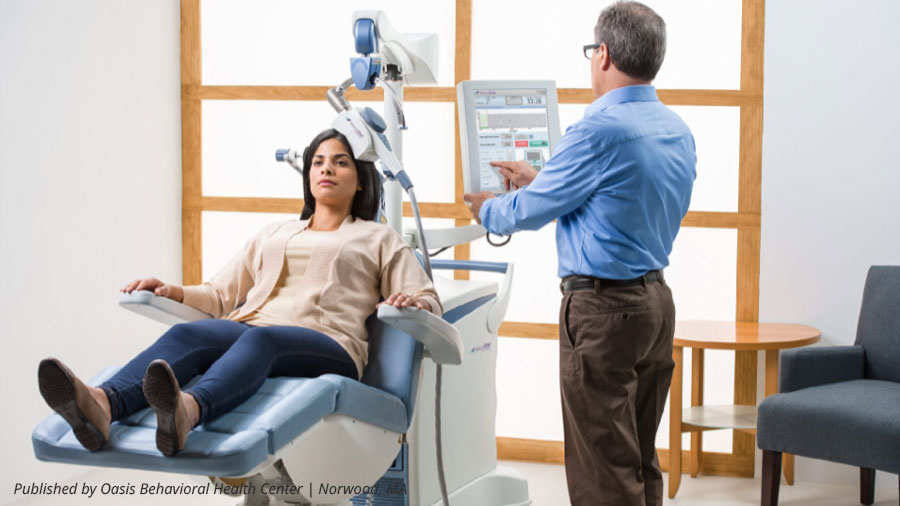
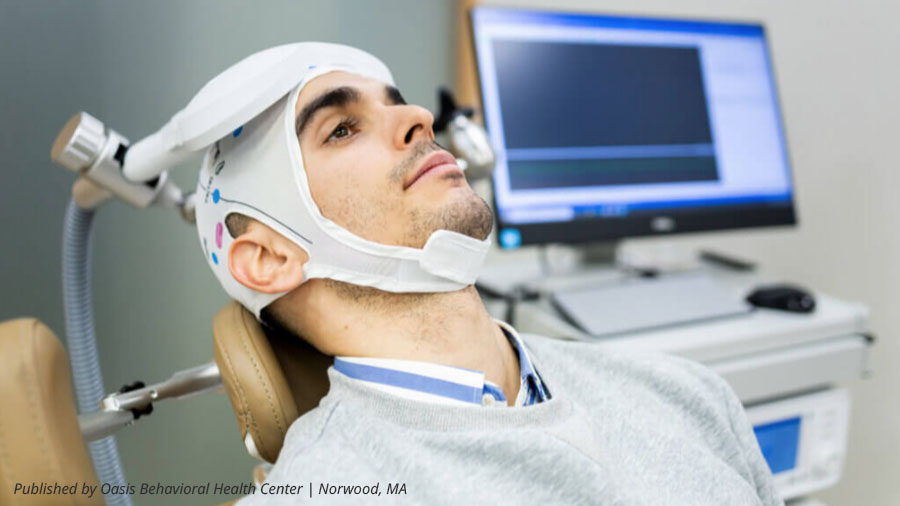
TMS involves using electromagnetic pulses to stimulate neurons in targeted areas of the brain. The goal is to regulate the brain's activity and improve the communication between different regions, particularly those involved in mood regulation and emotional responses. While TMS has primarily been used to treat depression, studies show that it can also benefit people with anxiety, PTSD, and OCD.
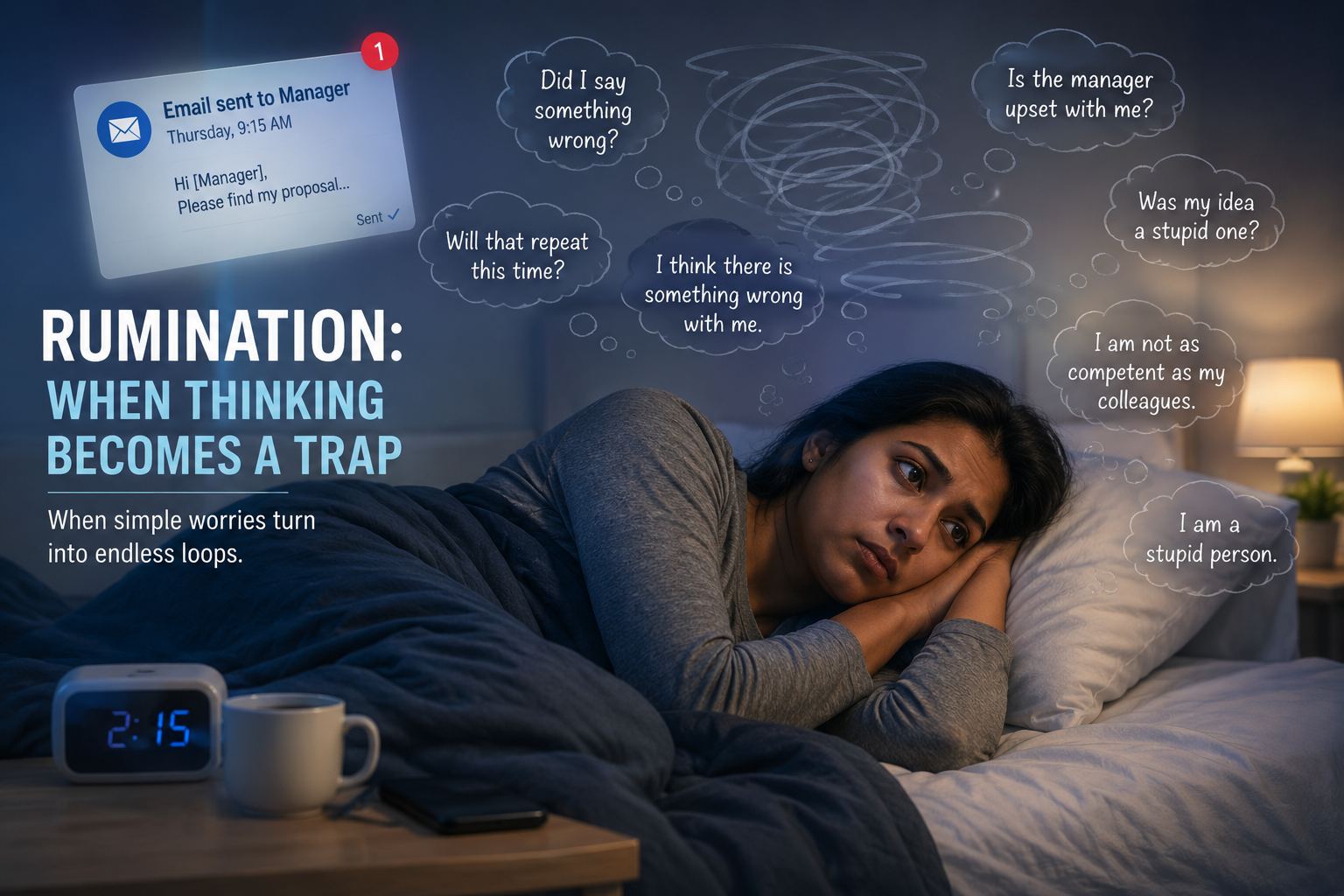
For individuals with anxiety, the amygdala—the brain's center for processing fear and emotions—often becomes overactive, leading to heightened levels of anxiety. By stimulating the prefrontal cortex (the brain region responsible for regulating emotions and executive function), TMS can help reduce the overactivity of the amygdala, providing relief from excessive anxiety and stress.
TMS for Anxiety and PTSD
For those suffering from anxiety, TMS offers a non-invasive and relatively quick treatment option.Studies have found that TMS can reduce symptoms of anxiety by targeting the areas of the brain that contribute to anxiety-related thinking patterns. One study published in Psychiatry Research found that patients with generalized anxiety disorder who received TMS therapy experienced significant reductions in anxiety and overall distress after just several sessions.
In cases of PTSD, the emotional and psychological symptoms are often linked to hyperactivity in the amygdala and other areas responsible for fear responses. TMS can help regulate these areas, leading to a decrease in the intensity of flashbacks, nightmares, and emotional numbness. Research suggests that TMS may help rewire the brain's response to traumatic memories, making it an effective treatment for individuals with PTSD.
TMS for Obsessive-Compulsive Disorder (OCD)
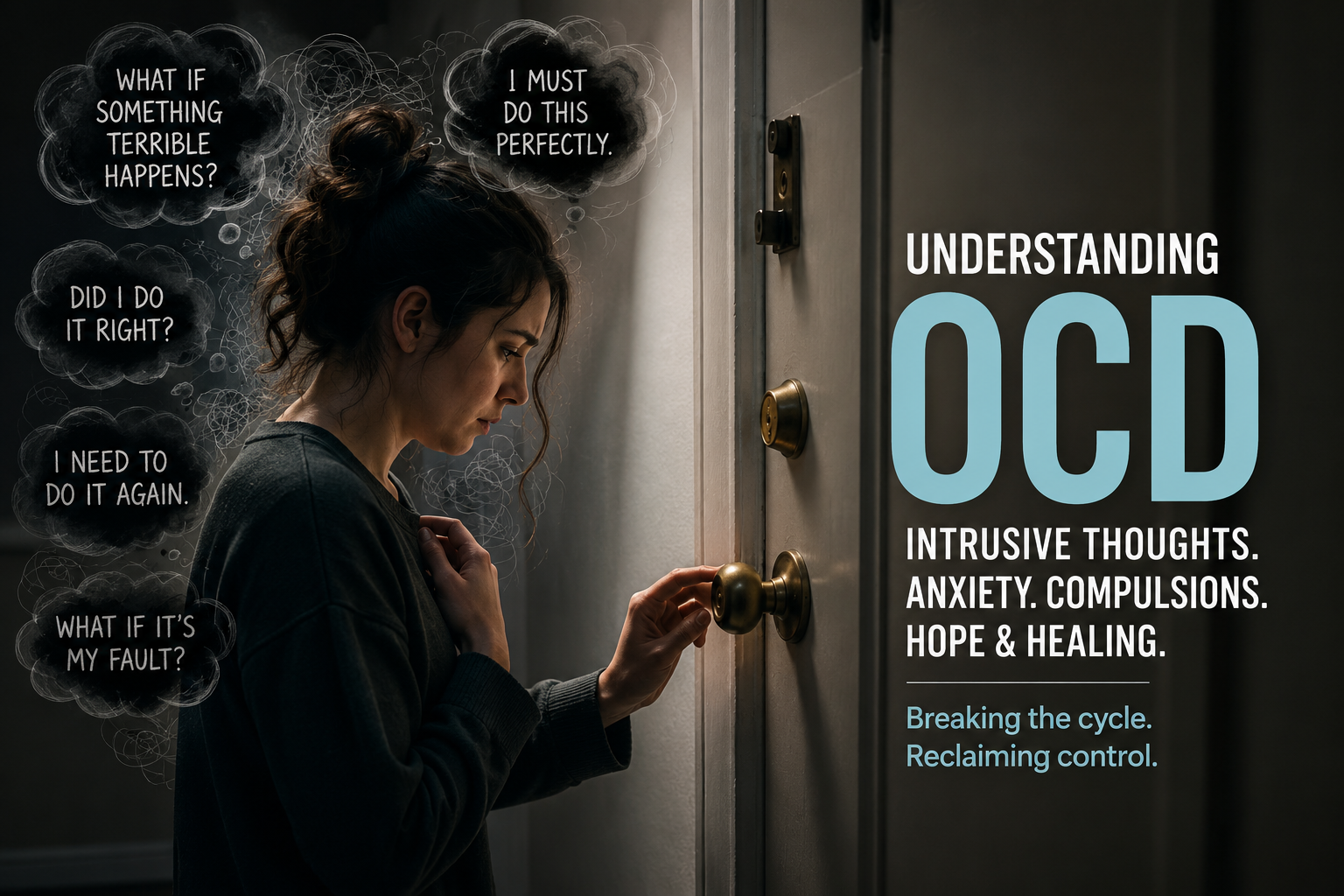
TMS has also shown promise in treating OCD. OCD involves abnormal activity in the orbitofrontal cortex, which plays a role in decision-making and behavior. TMS can target this area of the brain to reduce the frequency and intensity of obsessive thoughts and compulsive behaviors. A study published in The American Journal of Psychiatry found that patients with OCD who underwent TMS showed significant improvement in symptoms, with some achieving full remission.
The Benefits of TMS for Mental Health Disorders
- Non-invasive treatment: Unlike medications, TMS does not require surgery or the use of
chemicals. It’s an outpatient procedure with minimal downtime. - Few side effects: Common side effects are usually mild, such as scalp discomfort or
headaches, which are temporary and resolve quickly after treatment. - Long-lasting relief: For many patients, the benefits of TMS last long after treatment,
providing sustained symptom relief. - Quick treatment sessions: A typical TMS session lasts only 20-40 minutes, and patients can
resume normal activities right afterward.
Conclusion
While TMS is widely known for its role in treating depression, its potential for helping with anxiety, PTSD, and OCD is equally promising. If you or someone you know is struggling with any of these conditions and traditional treatments have not been effective, TMS may be the breakthrough solution you're seeking. To find out if TMS is right for you, reach out to Oasis Behavioral Health Center for more information.
Citations:
- George, M. S., et al. (2014). The use of repetitive transcranial magnetic stimulation for the
treatment of anxiety disorders. Psychiatry Research, 219(3), 404-406. - Loo, C. K., et al. (2017). Repetitive transcranial magnetic stimulation in the treatment of
posttraumatic stress disorder. Journal of Clinical Psychiatry, 78(4), 349-355.