Introduction
Transcranial Magnetic Stimulation (TMS) has been a valuable treatment option for individuals with depression for over a decade, but recent technological advancements are pushing the boundaries of what this therapy can accomplish. As research into TMS continues to evolve, new applications are being discovered, and improvements in the technology itself are making the treatment even more effective. In this blog, we’ll explore how advancements in TMS technology are expanding treatment options and improving outcomes for patients.
Advances in TMS Technology
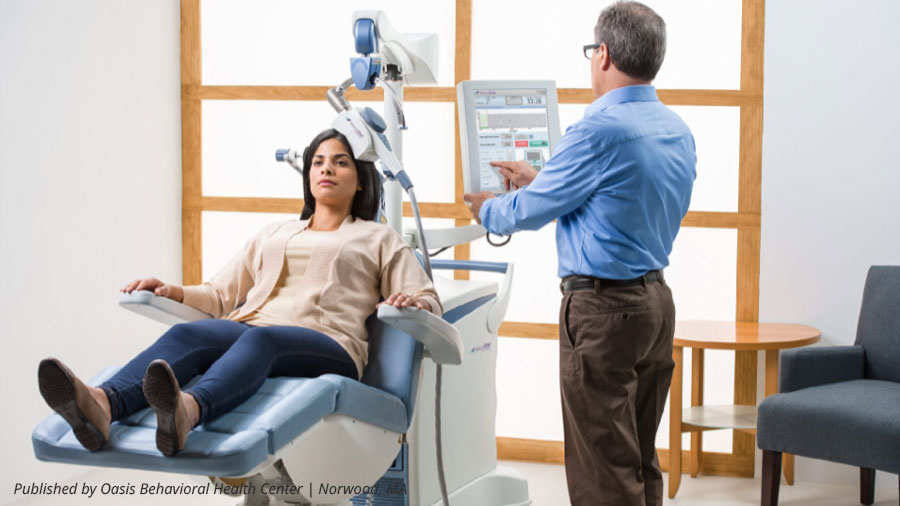
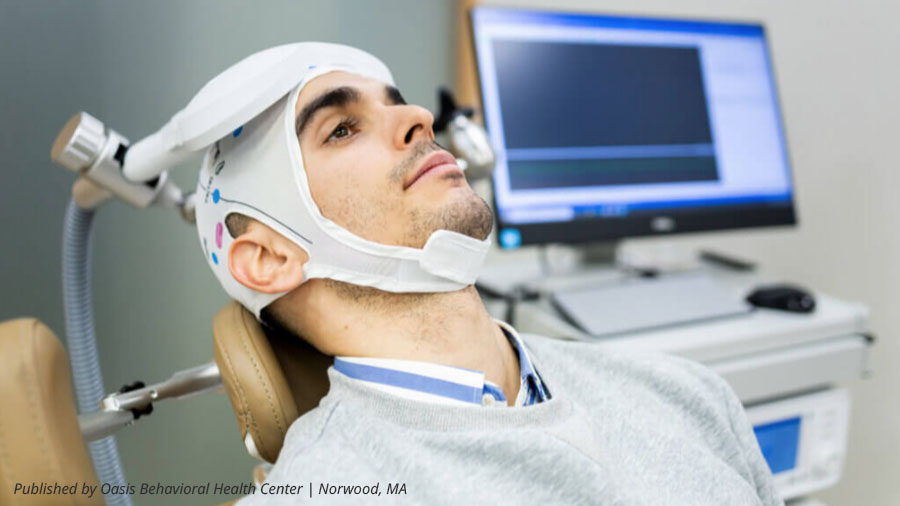
Traditional TMS involves delivering magnetic pulses to specific areas of the brain using a coil placed on the scalp. However, recent advancements have introduced more precise and efficient methods for administering TMS. Some of these innovations include:
- Deep TMS (dTMS): Deep TMS uses a specialized coil to deliver magnetic pulses deeper into the brain, allowing for treatment of areas that are more difficult to reach with traditional TMS. This technology has expanded the potential applications of TMS, making it possible to target additional brain regions involved in mood regulation and emotional processing.
- Theta Burst Stimulation (TBS): Theta Burst Stimulation is a more advanced form of TMS that involves delivering a specific pattern of magnetic pulses in short bursts. Research has shown that TBS can be just as effective as traditional TMS but with fewer sessions, reducing treatment time and making it more convenient for patients.
- Targeted TMS: Targeted TMS uses advanced brain imaging techniques, such as functional MRI (fMRI), to precisely map and identify the areas of the brain most involved in the patient's condition. This allows clinicians to customize the treatment for each individual, increasing the likelihood of a positive outcome.
Expanding Applications of TMS
While TMS was initially approved for the treatment of depression, recent studies suggest it can help with a variety of other mental health conditions, including:
- Anxiety and PTSD: As mentioned earlier, TMS is showing promise as an effective treatment for anxiety and PTSD. The new advancements in TMS technology have made it easier to target the specific regions of the brain responsible for these disorders, improving patient outcomes.
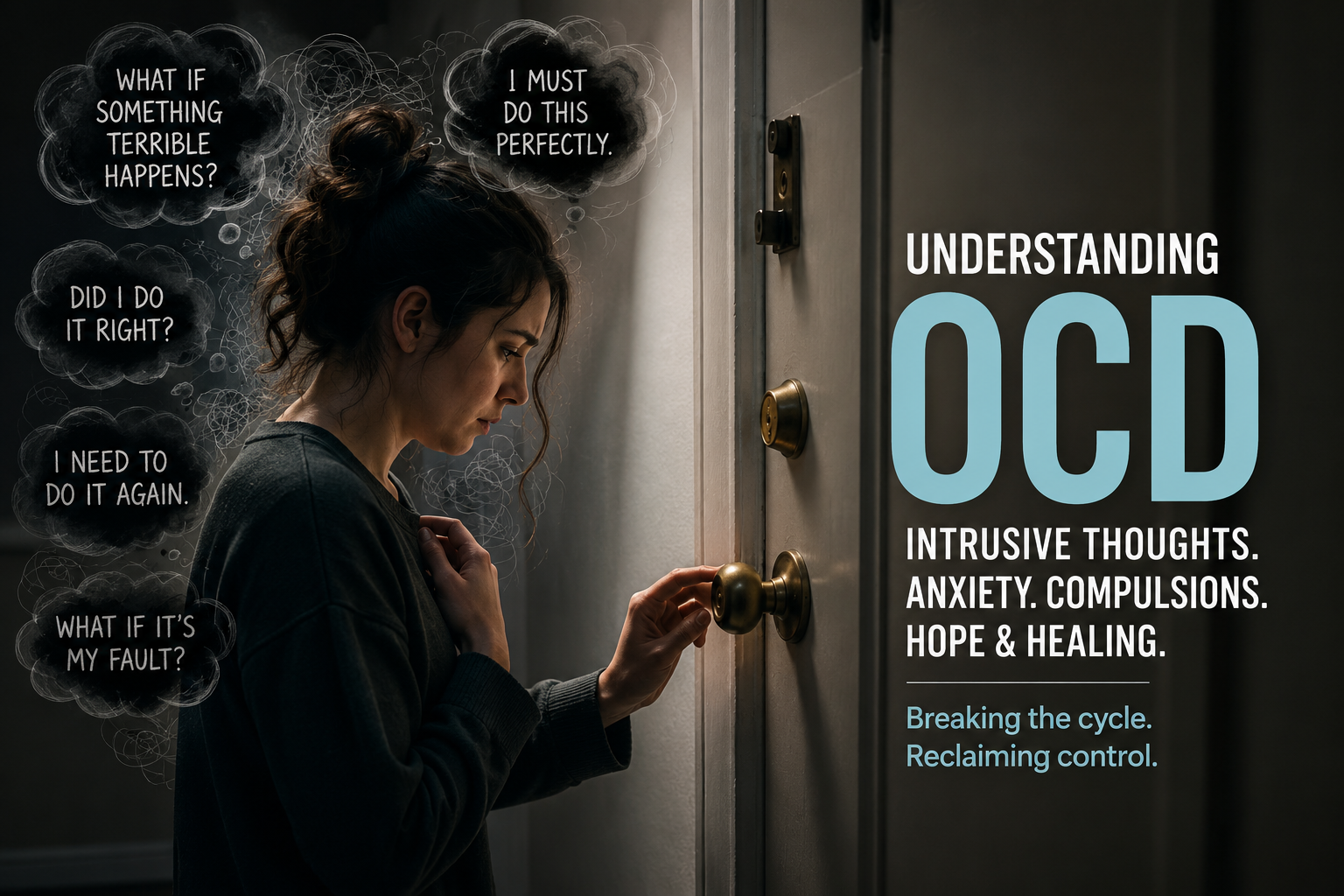
- Obsessive-Compulsive Disorder (OCD): Deep TMS and targeted stimulation have been shown to reduce OCD symptoms by targeting areas involved in obsessive thinking and compulsive behaviors.
- Chronic Pain: TMS is also being explored as a treatment for chronic pain conditions, such as fibromyalgia, by targeting pain-processing regions in the brain.
Conclusion
The future of TMS is incredibly promising. With advancements in technology, TMS is becoming more precise, effective, and versatile. These innovations are expanding the range of conditions that can be treated with TMS and improving patient outcomes. At Oasis Behavioral Health Center, we’re excited about these developments and are committed to providing the latest, most effective treatments available. If you’re interested in learning more about how TMS can help you, contact us today.
Citations:
- Trevizol, A. P., et al. (2017). Deep transcranial magnetic stimulation in major depression. The Journal of Clinical Psychiatry, 78(10), 1382-1388.
- Blumberger, D. M., et al. (2012). A systematic review of transcranial magnetic stimulation for treatment-resistant depression. Canadian Journal of Psychiatry, 57(11), 645-653.