Introduction
The brain is an incredibly complex organ, controlling everything from thoughts and emotions to physical movements. Depression, one of the most prevalent mental health conditions, can be traced to dysfunctions in specific regions of the brain, particularly the prefrontal cortex. For individuals whose depression does not respond to traditional treatments, Transcranial Magnetic Stimulation (TMS) offers a promising alternative. In this blog, we’ll dive into the science behind TMS and explore how this innovative treatment can help individuals suffering from depression by altering the way the brain functions.
The Brain and Depression: An Overview
Depression is not merely about feeling sad — it is a mental health condition that affects how individuals think, feel, and act. Research has shown that depression is linked to irregularities in the brain’s neural circuits, particularly in areas that regulate mood, thoughts, and emotions. One such region is the left prefrontal cortex, which is typically underactive in people suffering from depression.
The prefrontal cortex is responsible for higher cognitive functions such as planning, decision-making, and emotional regulation. In individuals with depression, this area of the brain may fail to properly manage mood, contributing to feelings of sadness, hopelessness, and despair. Additionally, areas of the brain that control motivation, pleasure, and rewards can also become dysregulated in those with depression.
How TMS Works
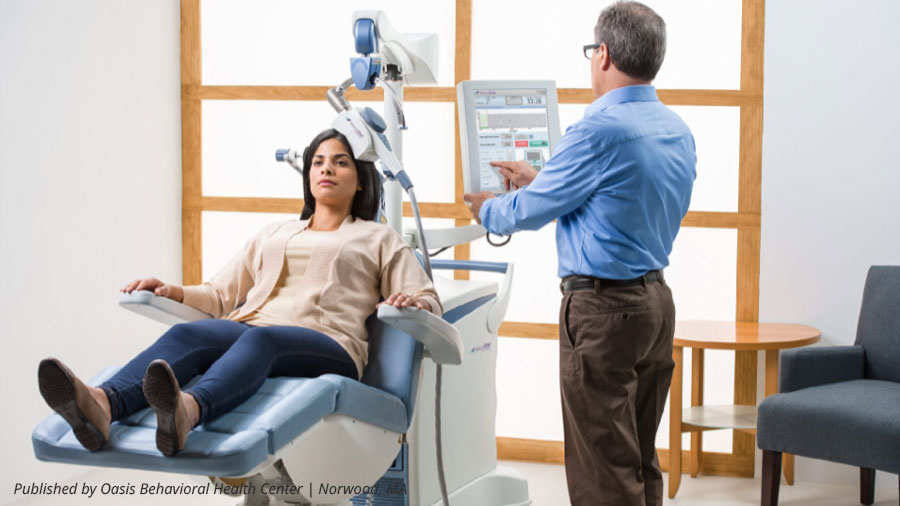
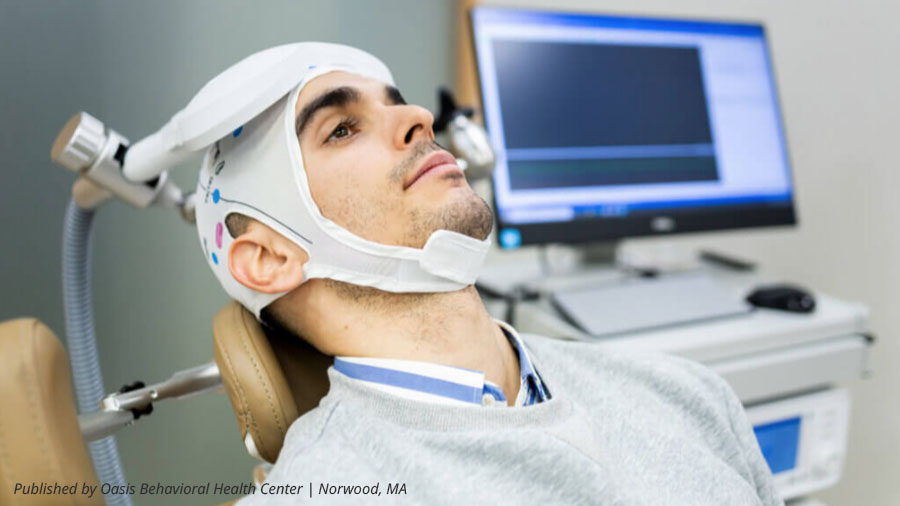
TMS is a non-invasive treatment that uses powerful magnetic fields to stimulate neurons in the brain. During a session, a magnetic coil is placed near the scalp, emitting pulses of energy that pass through the skull and activate specific regions of the brain, including the left prefrontal cortex.
By stimulating the underactive regions of the brain, TMS helps increase neural activity and improve communication between different brain areas. This reactivation can enhance mood regulation and cognitive function, leading to a reduction in depressive symptoms.
TMS is designed to target specific regions of the brain with precision. Unlike other treatments such as electroconvulsive therapy (ECT), TMS does not require anesthesia or invasive surgery. It is an outpatient procedure that involves no downtime, allowing patients to return to their daily activities immediately after treatment.
The Benefits of TMS
One of the major benefits of TMS is that it is effective for individuals who have not responded to traditional antidepressant medications. Many patients who experience treatment-resistant depression (TRD) have found success with TMS, often experiencing significant improvement after a few weeks of therapy.
Unlike antidepressants, which may take weeks or months to show effects, TMS can provide rapid relief in a relatively short period of time. Additionally, TMS has fewer side effects compared to medications, which can cause issues like weight gain, sexual dysfunction, and fatigue. The side effects of TMS are typically mild, including scalp discomfort or headaches, which resolve quickly after treatment.
Is TMS Safe?
Yes, TMS is considered to be a safe treatment. It has been FDA-approved for the treatment of major depressive disorder and has been extensively studied for its safety and efficacy. While some patients may experience mild side effects such as headaches or scalp discomfort, serious side effects are rare. TMS does not involve any surgical procedures or require the use of anesthesia, making it a low-risk treatment option.
Conclusion
TMS is a revolutionary treatment that uses cutting-edge technology to alter brain activity and provide relief for those suffering from depression. By targeting the brain’s mood-regulating areas with magnetic pulses, TMS can restore balance and improve mental well-being. If you or someone you know is struggling with depression, consider reaching out to Oasis Behavioral Health Center to learn more about how TMS can help.
Citations:
- Sackeim, H. A., et al. (2007). The efficacy of repetitive transcranial magnetic stimulation in the treatment of major depression: A randomized controlled trial. Biological Psychiatry, 62(11), 1208-1216.
- Loo, C. K., & Mitchell, P. B. (2005). The use of TMS in the treatment of depression. The Journal of Clinical Psychiatry, 66(7), 1085-1093.