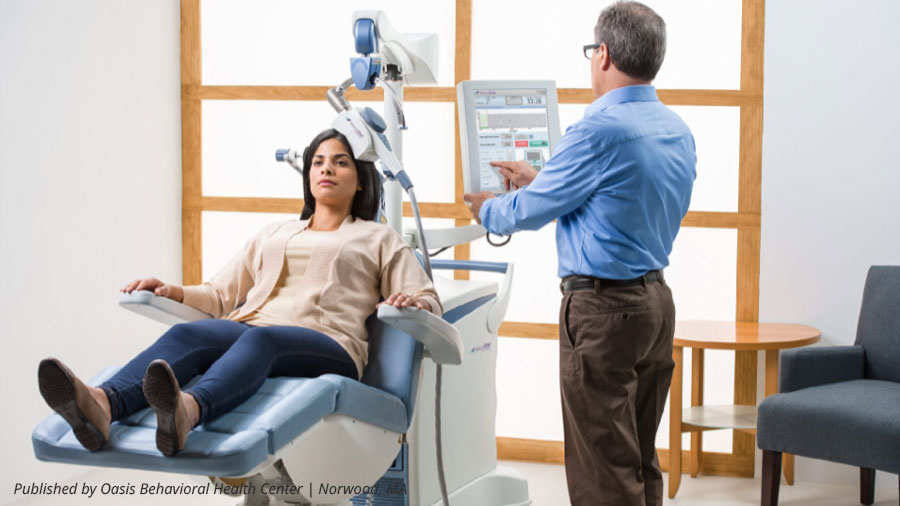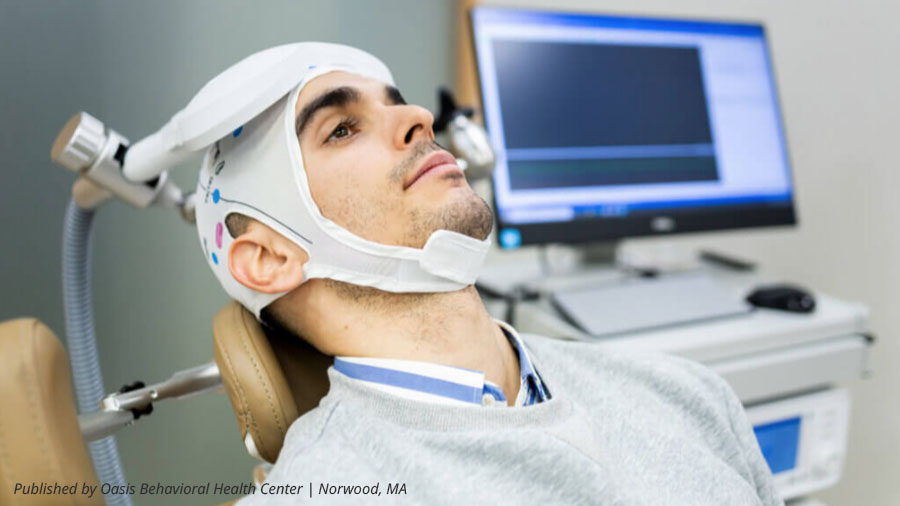

Transcranial magnetic stimulation (TMS) non-invasively uses magnetic fields to stimulate nerve cells in the brain to reduce symptoms in mental health conditions. It is often combined with different psychotherapy techniques for lasting results.
Cognitive Behavioral Therapy (CBT) and TMS – A Neurobiological and Psychological Synergy
TMS applied prior to CBT- stimulates specific brain areas responsible for mood regulation and cognitive function, like the dorsolateral prefrontal cortex (DLPFC). This helps improve neural plasticity, priming the brain to be more receptive to the cognitive and behavioral changes targeted by CBT.
CBT done post TMS- identifies and modifies negative thought patterns and behaviors, putting the brain in a more receptive state, enabling patients to recognize and change maladaptive thoughts and behaviors.
TMS and CBT applied concurrently- patient is guided through CBT exercises while TMS is administered. The therapeutic effects of CBT are enhanced by directly engaging brain areas being stimulated by TMS. TMS induced brain activity changes, enhances cognitive flexibility, easing understanding and application of new thoughts and behavior.
TMS eases symptoms of low mood and anhedonia, easing participation in CBT, for treatment resistant depression. TMS reduces hyperactivity in brain regions associated with anxiety, such as the amygdala, for anxiety disorders. Reduced anxiety symptoms enable patients to engage more fully and calmly in CBT, especially in exposure-based therapies when confronting perceived fearful situations.
CBT & TMS Customization
Personalized Protocols- when a patient has predominant cognitive distortions related to self-worth, TMS is applied to brain regions responsible for self-referential thinking, while CBT is used to address these specific distortions.
Adaptive Therapy- treatment is adjusted based on response to TMS. If TMS creates substantial mood improvement, CBT then focuses on long-term cognitive and behavioral strategies to sustain this. A study by Downar et al. (2013) showed greater improvement in depressive symptoms when both treatments were used.
TMS and Mindfulness-Based Therapy- Enhances Neuroplasticity and Mindfulness
TMS is used as a primer to stimulate specific brain regions associated with mood regulation, attention, and emotional processing, like the prefrontal cortex. It enhances neuroplasticity, primes the brain to be more receptive to mindfulness practices that follow, such as Mindfulness-Based Stress Reduction (MBSR) or Mindfulness-Based Cognitive Therapy (MBCT), focused breathing, body scanning, or mindful movement.
Altered brain activity due to TMS enhances mindfulness and improves the ability to focus and remain present. Patients develop greater awareness of their thoughts, emotions, and bodily sensations, creating relaxation and reducing stress.
Targeted Symptom Relief
Depression: TMS can help assuage symptoms such as persistent sadness and anhedonia. When followed by mindfulness-based therapies, patients learn to observe their thoughts and feelings sans judgment, reducing rumination and preventing relapse.
Anxiety Disorders: TMS reduces hyperactivity in the brain, fear and stress centres, like the amygdala, making it easier to focus, be present, and practice mindfulness, increasing awareness of thoughts, emotions, bodily sensations, and acceptance of emotions. Patients learn to observe anxious thoughts without becoming overwhelmed, fostering a more relaxed and centered mental state.
Mindfulness and TMS in Daily Life
Patients are encouraged to practice mindfulness in their daily lives, with TMS helping to strengthen the neural pathways that support sustained attention and emotional balance.
Mindfulness practices focused on breathing and body awareness reduce stress, a common trigger for mental health issues. TMS, improves brain function, enhancing the effectiveness of these practices, leading to a profound reduction in stress.
Mindfulness and TMS Treatment
Customized Approaches: If a patient struggles with intrusive thoughts, TMS targets brain areas involved in thought regulation, while mindfulness helps the patient observe these thoughts without attachment or distress.
Adaptive Therapy: based on progress, if TMS leads to significant symptom relief, mindfulness practices focus on maintaining this by enhancing self-awareness and promoting mental resilience.
A study by Höflich et al. (2017) demonstrated that combining TMS with mindfulness training led to significant improvements in mood and cognitive function in patients with depression. Mindfulness provides the tools to manage symptoms actively, while TMS helps fix underlying neurological imbalances.
TMS and Medication
Antidepressants: TMS is often used when medications fail, and combining them can help speed up recovery. TMS reduces the need for higher doses of medication, potentially minimizing side effects.
Mood Stabilizers: TMS combined with mood stabilizers can help in manage both depressive and manic symptoms in bipolar disorder.